TSX Declines as U.S. Markets Show Mixed Performance Amid Economic Uncertainties
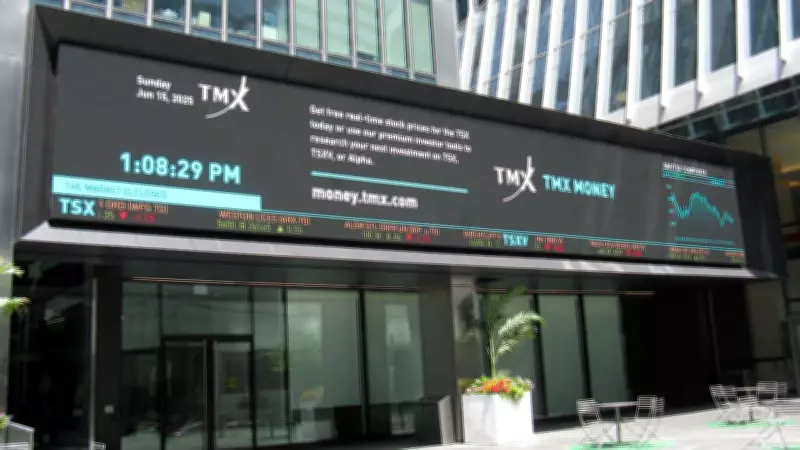
The S&P/TSX composite index experienced a downturn in late-morning trading on Wednesday, February 4, 2026, reflecting a cautious market sentiment. Concurrently, U.S. stock markets displayed a mixed performance, with some indices gaining while others retreated, highlighting the ongoing volatility in global financial landscapes.
Market Movements and Economic Context
This trading activity occurs against a backdrop of significant economic indicators and corporate news. For instance, AMD shares fell following a dour forecast that underscored tough competition in the artificial intelligence trade sector. Additionally, January auto sales in Canada decreased by 2.9 percent, according to DesRosiers Automotive Consultants, pointing to persistent economic uncertainties affecting consumer spending.
In the energy sector, U.S. crude oil and distillate inventories declined last week, while gasoline stocks rose, as reported by the Energy Information Administration. These fluctuations in commodity markets can influence stock performance, particularly for energy-heavy indices like the TSX.

Broader Financial and Political Influences
Political developments also play a role in market dynamics. Former Defence Minister Anita Anand was in Washington as the Trump administration advocated for a critical mineral trade zone, which could impact Canadian mining and resources stocks. Meanwhile, Conservative MP Jamil Jivani's trip to Washington faced skepticism in Ottawa, adding to the political discourse that often sways investor confidence.
On the corporate front, former BlackBerry employees have launched a new smartphone featuring a physical keyboard, aiming to revive a nostalgic design in a competitive tech market. This innovation highlights the ongoing evolution in the technology sector, which is closely watched by investors.
Regional and Sector-Specific Factors
Regional news further contextualizes the market's performance. In Alberta, the government set a budget date for February 26, warning of a tough fiscal plan amid global uncertainty. Saskatchewan and Alberta jointly urged Ottawa to approve gopher poison following a rejection, showcasing interprovincial cooperation on agricultural issues.
In Ontario, the Toronto Stock Exchange, a key component of the TSX, continues to be a barometer for Canadian economic health. The city of Toronto received snow-clearing assistance from the provincial government, allowing municipal resources to focus on residential streets and sidewalks—a minor but symbolic example of governance affecting daily operations.
Conclusion: Navigating a Complex Market Environment
Overall, the late-morning trading session on February 4, 2026, illustrates the intricate interplay between economic data, corporate earnings, political events, and regional developments. Investors are navigating a complex environment where mixed signals from U.S. markets and domestic challenges, such as declining auto sales and energy inventory shifts, contribute to the TSX's downward movement. As global uncertainties persist, market participants remain vigilant, adjusting strategies to mitigate risks and capitalize on emerging opportunities in this dynamic financial landscape.