

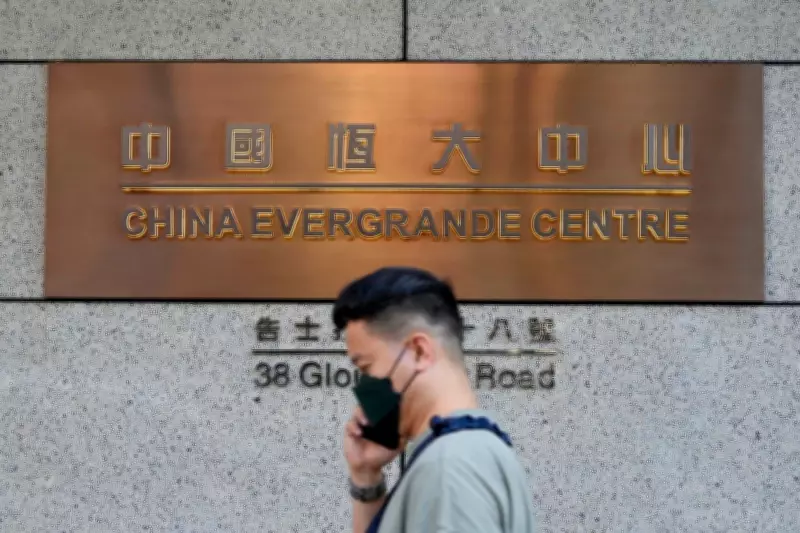
Evergrande Founder Admits to Fraud in Landmark Chinese Court Case
The founder of the embattled China Evergrande Group has entered a guilty plea to fraud charges in a Shenzhen court, according to reports from Reuters. This development represents a pivotal moment in the extensive legal proceedings against the former real estate titan, whose collapse sent shockwaves through global financial markets and China's domestic economy.
A High-Profile Admission in a Major Financial Hub
The court proceedings took place in Shenzhen, a major southern Chinese city and financial center where Evergrande was once headquartered. The guilty plea from the company's founder comes after years of investigation into the firm's practices, which culminated in its spectacular default on over $300 billion in debt in 2021. This event triggered a severe liquidity crisis within China's vast property sector.
The legal outcome is seen by many analysts as a clear signal from Chinese authorities regarding their stance on corporate misconduct within the real estate industry. The sector has long been a cornerstone of China's economic growth, but it has also been plagued by excessive borrowing and questionable financial practices.

Context of the Evergrande Collapse
China Evergrande Group was formerly one of the country's largest property developers by sales. Its business model, which relied heavily on preselling apartments and taking on massive debt to fund rapid expansion, became unsustainable as government regulators began tightening rules to curb excessive leverage in the real estate market.
The company's downfall exposed deep vulnerabilities within the Chinese property sector, leading to a cascade of defaults by other developers and contributing to a prolonged slump in the housing market. This has had significant repercussions for homeowners, construction workers, and investors both domestically and internationally.
Implications for Corporate Governance and Regulation
The guilty plea from Evergrande's founder is likely to have far-reaching implications:
- It underscores a renewed focus by Chinese regulators on enforcing financial discipline and holding corporate leaders accountable for mismanagement and fraudulent activities.
- The case may set a precedent for how authorities handle other distressed property firms and their executives.
- It could influence investor confidence in Chinese corporate governance, particularly within the volatile real estate sector.
While the specific sentencing details were not immediately disclosed in the initial reports, legal experts anticipate that the court's final ruling will be closely scrutinized. The outcome will be viewed as a barometer for the Chinese government's approach to resolving the ongoing property crisis and restoring stability to a critical segment of the national economy.






