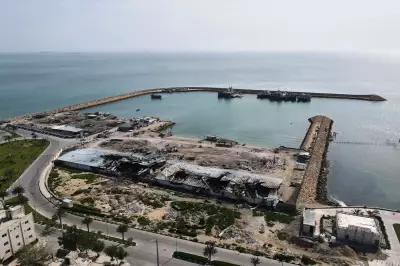
Market Turmoil Erupts as Middle East Conflict Escalates
Global financial markets experienced significant volatility on March 2, 2026, as escalating military conflicts in the Middle East sent shockwaves through the world economy. Stock indices plunged sharply while oil prices skyrocketed, driven by heightened geopolitical risks and supply chain disruptions. This sudden market movement has reignited concerns about persistent high inflation, which could complicate central bank policies and slow economic growth.
Stock Markets Plunge Amid Geopolitical Uncertainty
Investors reacted swiftly to the deteriorating situation in the Middle East, where conflicts involving Iran, Israel, Hezbollah, and Arab states have intensified. Major stock exchanges recorded substantial losses as risk aversion dominated trading sessions. The sell-off reflects growing anxiety about prolonged regional instability potentially derailing global economic recovery efforts. Market analysts note that such geopolitical events typically trigger flight-to-safety movements, with capital shifting from equities to perceived safer assets like government bonds and gold.
Oil Prices Surge on Supply Disruption Fears
Crude oil prices leaped dramatically as the conflict raised immediate concerns about disruptions to Middle Eastern energy exports. The region accounts for a substantial portion of global oil production, and any sustained conflict threatens to constrain supply while increasing transportation costs. This price spike comes at a sensitive time when many economies are still grappling with inflationary pressures from previous supply chain issues. Energy analysts warn that prolonged elevated oil prices could filter through to higher costs for transportation, manufacturing, and consumer goods.

Inflation Concerns Resurface
The simultaneous stock decline and oil price surge have amplified worries about renewed inflationary pressures. Central banks worldwide have been cautiously navigating interest rate policies to control inflation without triggering recessions. This new geopolitical development complicates their calculus, as energy-driven inflation could prove more persistent than anticipated. Economists suggest that sustained conflict might force policymakers to maintain tighter monetary conditions for longer, potentially slowing economic activity.
Broader Economic Implications
Beyond immediate market reactions, the escalating Middle East conflict poses several longer-term economic challenges:
- Supply Chain Disruptions: Critical shipping routes through the region could face interruptions, affecting global trade flows.
- Consumer Confidence: Rising fuel and energy costs may reduce disposable income and dampen consumer spending.
- Business Investment: Increased uncertainty may cause companies to delay expansion plans and capital expenditures.
- Currency Volatility: Safe-haven currencies like the U.S. dollar typically strengthen during geopolitical crises, affecting international trade dynamics.
The situation remains fluid as diplomatic efforts continue alongside military actions. Market participants are closely monitoring developments, with particular attention to whether the conflict spreads further or shows signs of de-escalation. The economic impact will largely depend on the conflict's duration and geographic scope, with prolonged engagement likely to produce more severe financial consequences.