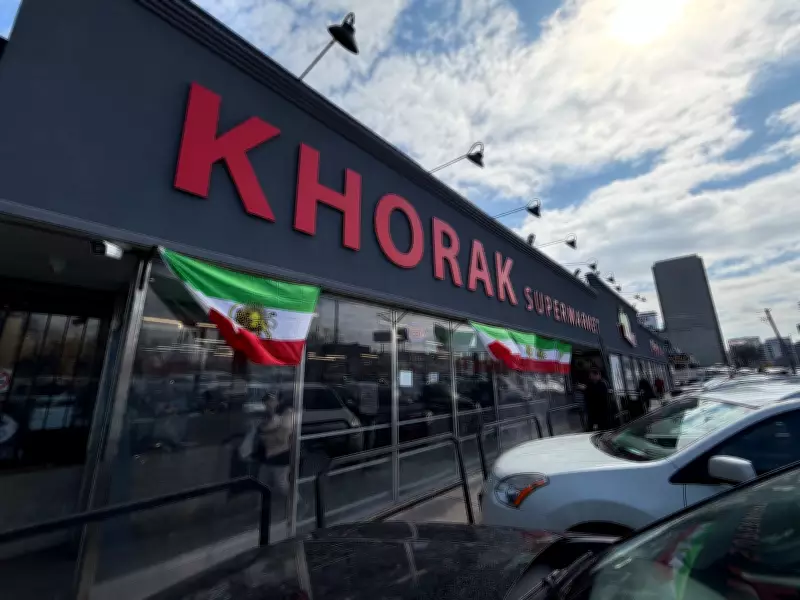
Middle East Turmoil Poses Severe Challenges for Persian-Focused Grocery Stores
The ongoing conflict in the Middle East is creating significant operational hurdles for grocery stores specializing in Persian and Middle Eastern products. Business owners report being unable to secure essential imports from the region, leading to product shortages and escalating costs that threaten their viability.
Supply Chain Disruptions and Rising Costs
According to recent reports, supermarkets that rely on imports from conflict-affected areas are experiencing severe supply chain disruptions. The inability to import staple products has forced many stores to limit inventory or seek alternative, often more expensive, suppliers. This situation is compounded by rising transportation and security costs, which are being passed on to consumers through higher prices.
One grocery store owner expressed deep concern, stating, "We're unable to secure anything reliably from our traditional sources. The turmoil has made importing nearly impossible, and costs have skyrocketed." This sentiment is echoed across the sector, where businesses face uncertainty about future product availability.

Broader Implications for Specialty Retail
The challenges extend beyond immediate supply issues. Specialty grocery stores serving Persian and Middle Eastern communities are critical cultural hubs, providing access to traditional foods and ingredients. Disruptions threaten not only economic stability but also cultural connectivity for diaspora communities.
Industry analysts note that prolonged conflict could lead to:
- Permanent shifts in supply chains as businesses seek stable alternatives
- Increased prices for Middle Eastern products across North America
- Potential business closures among smaller specialty retailers
While some stores are exploring partnerships with suppliers in less affected regions, these alternatives often come with higher costs and logistical complexities. The situation remains fluid, with business owners closely monitoring geopolitical developments that directly impact their operations.