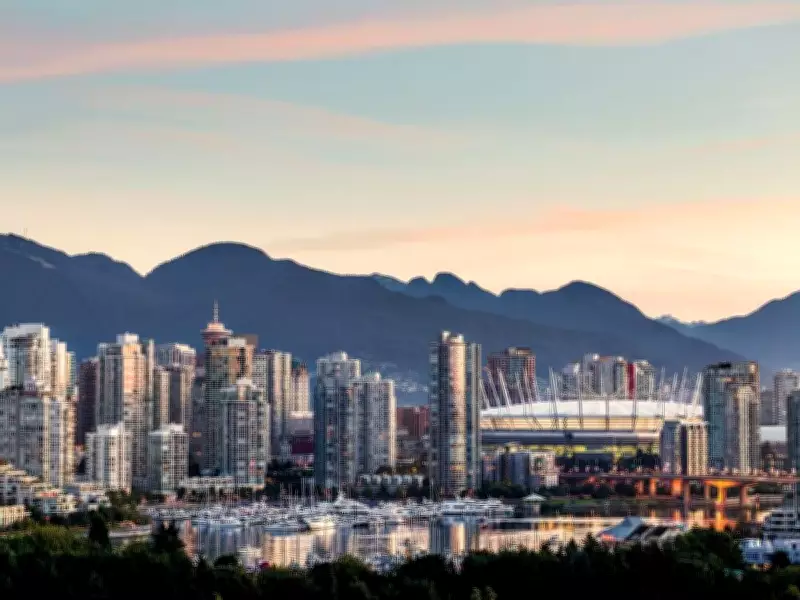
Vancouver's World Cup Challenge: Balancing Tourism and Affordability for 2026
As Vancouver gears up to host seven matches of the 2026 FIFA World Cup, a critical question looms: is the city doing enough to ensure visitors leave with a positive impression of British Columbia? Jairo Yunis, a Colombian-born resident who has called Vancouver home for seven years, expresses both excitement and concern about the upcoming global event. Having grown up in Barranquilla, where football is deeply ingrained in the culture, Yunis understands the transformative potential of such tournaments but warns that Vancouver's affordability crisis could undermine its hospitality.
The Economic and Reputational Stakes of Mega-Events
While economists often argue that the costs of hosting mega-events outweigh the financial benefits, the broader impact extends beyond mere numbers. Major events like the World Cup shape how millions of people worldwide experience a destination for the first time, elevating a city's profile and driving infrastructure investment. Vancouver's 2010 Winter Olympics serve as a prime example, spurring tangible developments such as the Canada Line and Olympic Village while bolstering the city's international reputation and boosting tourism. The World Cup presents a similar opportunity, but it also carries the risk of leaving a negative legacy if visitor experiences fall short.
Visitor Expectations and Vancouver's Accommodation Crisis
World Cup tourists typically seek reliable transit, walkable streets, quality dining, entertainment, and affordable accommodation. It is this last element—affordability—where Vancouver faces significant challenges. According to a recent Deloitte analysis, Metro Vancouver could see approximately 7,700 visitors per day unable to find lodging during the tournament, with that number soaring to over 14,000 on peak days, such as when Canada plays. Prices have already surged in response to tight supply and high demand, positioning Vancouver as the most expensive destination among the 16 host cities. Peak game-day accommodation rates are averaging more than $1,400 per night, with some downtown options exceeding $2,000 for key match dates.

Such exorbitant costs may force visitors to shorten their stays, shift to more affordable host cities, or reduce spending at local restaurants, shops, and cultural venues. This not only diminishes the economic benefits for Vancouver but also risks tarnishing its image as a welcoming destination.
Policy Inaction and the Need for Flexibility
Despite the clear challenge of providing affordable options during a peak-load event, the City of Vancouver has yet to relax its restrictions on short-term accommodations. In recent years, the city has implemented stricter rules that go beyond provincial requirements, but global events often necessitate temporary flexibility. Other host cities worldwide have adopted time-limited measures for the World Cup, such as reducing licensing fees and permitting the use of additional spaces like in-law suites or extra bedrooms. With the tournament less than three months away, the lack of targeted adjustments in Vancouver is puzzling. If the goal is to present the city as an inviting and hospitable location, its policies must align with that objective.
Yunis emphasizes that the lasting impression visitors take home will depend on their on-the-ground experiences. Affordable and accessible accommodation is crucial to ensuring that World Cup tourists not only enjoy their stay but also return or recommend Vancouver to others. As the city prepares to welcome the world, addressing these affordability issues is essential to maximizing the event's positive impact and safeguarding its reputation as a premier destination.