Vancouver's Waterfront Dilemma: Seizing a Transformative Opportunity
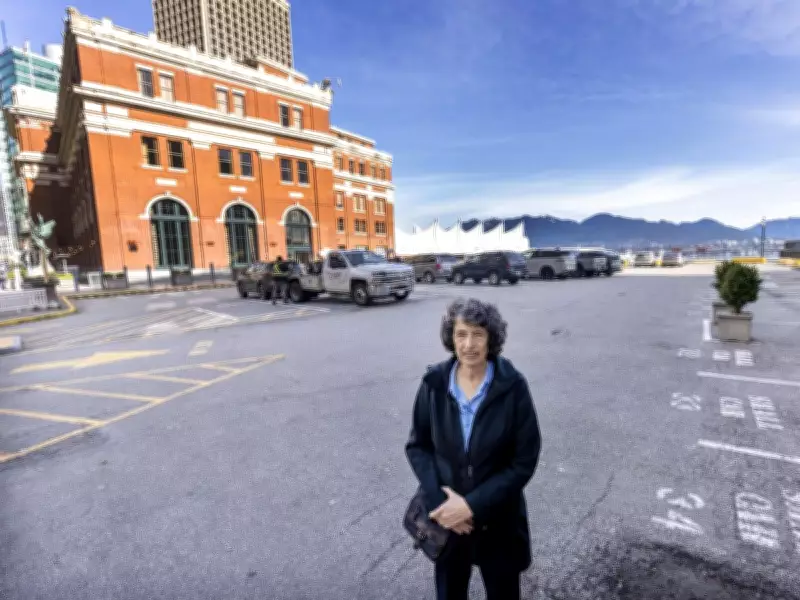
The fate of downtown Vancouver's waterfront hangs in the balance as city councillors prepare to make a pivotal decision that could shape the city's character for generations. At the heart of this controversy lies a small, uninviting parking lot at 601 West Cordova Street, where visitors currently pay $11.50 for thirty minutes of parking space.
A Prime Location Wasted
This ultra-prime property, situated east of the historic Waterfront SkyTrain Station and north of Simon Fraser University's Harbour Centre campus, currently serves as little more than a parking facility for a few dozen vehicles. Urban advocates argue this represents a profound waste of what could become Vancouver's spectacular new waterfront gateway, offering breathtaking views of the North Shore Mountains and welcoming both residents and visitors alike.
"It's a very, very unique site," emphasizes former Vancouver councillor Tim Louis. "It could be a magnificent plaza, not a postage-stamp plaza. The vista to the north could be absolutely stunning."

The Tower Proposal
Developer Cadillac Fairview, which owns both the parking lot and Waterfront Station, has proposed erecting a 22-storey, twisting, tree-inspired office tower on the site. The company describes the design as echoing the location's historical Indigenous name, "Grove of Maples." However, critics have dubbed the upside-down pyramid structure the "Drillbit" and point out that the Vancouver Heritage Commission has already voted against the project.
Christina DeMarco, a former senior planner, warns that "the gigantic, twisting tower proposed for this site would kill the last opportunity Vancouver has to turn the downtown waterfront into something extraordinary." The development permit board is scheduled to make its final decision on May 11.
The Current Reality
The existing site presents a grim picture of missed potential. Encased to the north by a high, black steel fence overlooking more than ten railway tracks, the location features a truck thoroughfare and additional bleak parking lots, including one serving a Helijet operation. The view line is further obstructed by a dark, elevated, enclosed walkway used by SeaBus passengers, which resembles a Second World War bunker.
Pedestrians and tourists flow steadily along the adjacent sidewalk but consistently avoid the parking lot itself, creating an awkward disconnect between public movement and underutilized space.
A Visionary Alternative
The Downtown Waterfront Working Group, comprised of urbanists and former officials, has formed to advocate for a more ambitious approach. They point to Toronto's ongoing imaginative rehabilitation of its waterfront as an inspiring model for what Vancouver could achieve with sufficient vision and political will.
According to Louis, a revamped Burrard Inlet waterfront could feature restaurants, fish stores, and various public amenities. A new elevated walkway open to all could replace the current restricted passage, and bold negotiations with Cadillac Fairview and the Canadian Pacific Kansas City railway company might even allow for moving or covering at least part of the railway tracks, opening up endless possibilities for public enjoyment.
The Broader Context
This debate occurs against a backdrop of increasing public concern about Vancouver's development trajectory. Recent controversies include Kitsilano residents expressing dread over 28 proposed new towers they describe as "disrespectful" to neighborhood character. The Waterfront Station decision represents a microcosm of the larger tension between commercial development and public space preservation that defines contemporary urban planning challenges.
Charles Dobson of the Downtown Waterfront Working Group has created mock postcards envisioning a vibrant seafront people place, hoping to spur city council toward more ambitious thinking. As the May 11 decision date approaches, Vancouver stands at a crossroads: will it follow Toronto's lead in creating visionary public waterfront spaces, or will it approve another oversized tower that critics argue would permanently sacrifice this unique opportunity?

The outcome will reveal much about Vancouver's priorities and its willingness to invest in extraordinary public spaces that benefit all citizens rather than commercial interests alone.