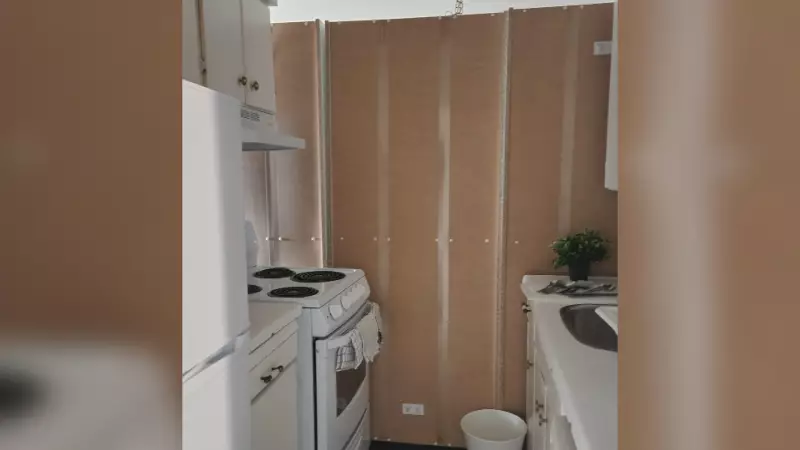
Tenants in a Vancouver apartment building are raising the alarm, alleging their landlord is converting standard rental units into multiple smaller rooms by installing makeshift, non-compliant walls. The situation, brought to light in January 2026, highlights growing tensions in the city's competitive rental market.
Details of the Alleged Subdivisions
According to reports, the landlord is undertaking significant alterations to the apartments. The primary method involves constructing temporary or makeshift walls to split larger living areas, kitchens, or bedrooms into separate, smaller living spaces. This practice, often referred to as "subdivision" or "rooming house" conversion, is frequently done without the necessary permits from the City of Vancouver and in violation of the British Columbia Residential Tenancy Act and building safety codes.
The alterations were reported by tenants on January 19, 2026. These unapproved modifications can pose serious risks, including blocked fire exits, improper ventilation, and overburdened electrical systems. Tenants have expressed concerns that these changes not only degrade their quality of life but also create potentially dangerous living conditions.

Legal and Safety Implications for Renters
This case touches on several critical issues within Vancouver's housing landscape. Subdividing units without approval is illegal and can lead to substantial fines for property owners. For tenants, such actions may constitute a fundamental breach of their tenancy agreement, as the rented premises are materially altered without consent.
From a safety perspective, makeshift walls often fail to meet fire-resistant standards, increasing the risk of fire spread. They can also circumvent requirements for windows and secondary escape routes, putting occupants in grave danger during an emergency. The City of Vancouver has strict bylaws governing rooming houses and legal secondary suites to prevent exactly these kinds of hazardous situations.
Broader Context and Tenant Recourse
The incident reflects broader pressures in Metro Vancouver's rental market, where high demand and rising costs can incentivize some landlords to seek extra income through unauthorized means. Tenants facing similar situations are advised to document all changes, communicate concerns in writing to their landlord, and contact the Residential Tenancy Branch (RTB) for dispute resolution.
They can also file a complaint with the City of Vancouver's inspections department, which has the authority to investigate illegal subdivisions and issue orders for compliance. Protecting tenant rights and ensuring housing safety remains a paramount issue for municipal and provincial authorities as they navigate the complexities of urban housing supply and affordability.