Toronto City Council Pauses Iceberg Home Regulations for Further Study
In a move that will keep the controversial issue of iceberg homes in limbo, Toronto city council has opted to wait for a comprehensive report from city planners before making any regulatory decisions. The council has directed top planners to analyze how proposed new rules, initially aimed at governing these luxury residences with expansive basements, might affect a broader range of urban development projects.
Broadening the Scope of the Study
The council's request expands the focus beyond iceberg homes themselves. Planners are now tasked with examining potential impacts on infill development, swimming pools, and small apartment buildings. This reflects concerns that regulations targeting one type of construction could have unintended consequences for other areas of city growth and resident amenities.
Gord Perks, the Parkdale-High Park councillor who chairs the planning and housing committee, highlighted the evolving nature of the proposal. He noted that what began as a specific initiative concerning iceberg homes has expanded to encompass a wider array of considerations, including trees, pools, and various other urban elements.

Environmental and Neighborhood Concerns
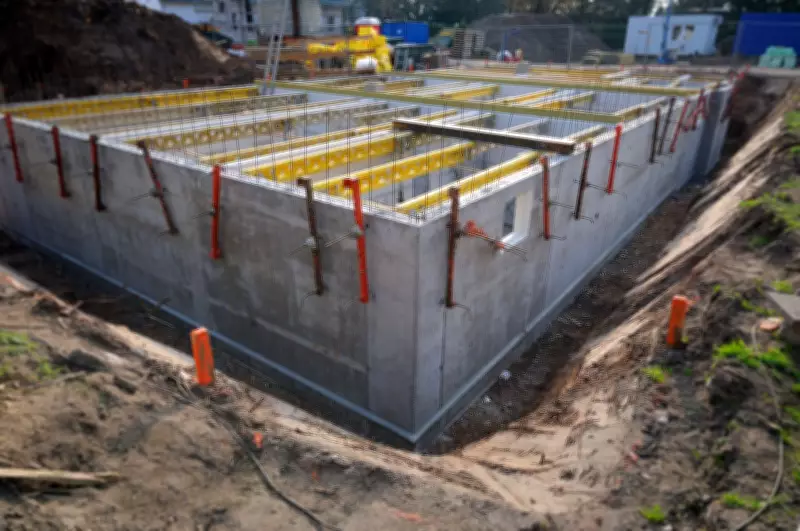
Iceberg homes, characterized by basements that are significantly wider or deeper than the visible above-ground structure, have raised environmental and aesthetic concerns. Councillors have been informed that these constructions can disrupt local ecosystems, affecting plant growth and natural water flow patterns.
Shannon Rancourt, representing the Hoggs Hollow Tree Watch neighbourhood group, voiced strong opposition, describing such homes as "an affront" to her community. She cited issues like unsightly appearances and disruptive construction processes, including the loss of a centuries-old tree during a nearby renovation, as driving local activism against these developments.
Industry Perspectives and Historical Context
Richard Wengle, a Toronto architect with experience in iceberg homes, offered a different viewpoint. He argued that these basements have been part of Toronto's architectural landscape for a long time and provide additional living space in a manner that is less intrusive than adding extra storeys. Wengle also mentioned that techniques exist, similar to those used in condo developments, to manage water redirection and support plant growth even with large underground structures.
The discussion also touched on historical parallels, noting that while iceberg homes are a relatively new phenomenon in Toronto, they became a trend among the wealthy in London years before the 2020s. That frenzy subsided after British lawmakers implemented restrictions on the construction of such elaborate mega-basements.
Additional Considerations and Council Consensus
The conversation at council included a myriad of factors, from on-street parking and landscaping definitions to the city's commitment to preserving and encouraging tree growth in backyards. This latter goal has incidentally brought swimming pools into the regulatory conversation, prompting written objections from professionals in the pool and hot tub industry who fear new restrictions could impact their livelihoods.
During the special one-day council session held ahead of the 2026 budget meeting, there appeared to be broad consensus on the need for further study. The motion to refer the matter back to planners passed easily with a show of hands, and only Councillors Perks and Rachel Chernos Lin spoke extensively on the topic, with Chernos Lin raising questions about potential conflicts with electric vehicle infrastructure.
The council's decision means that for now, the rules governing iceberg homes and related developments remain unchanged, as the city takes a cautious approach to balancing luxury housing, environmental stewardship, and broader urban planning objectives.