Chatham-Kent Councillors Propose Bylaw to Prevent Renovictions in Windsor Region
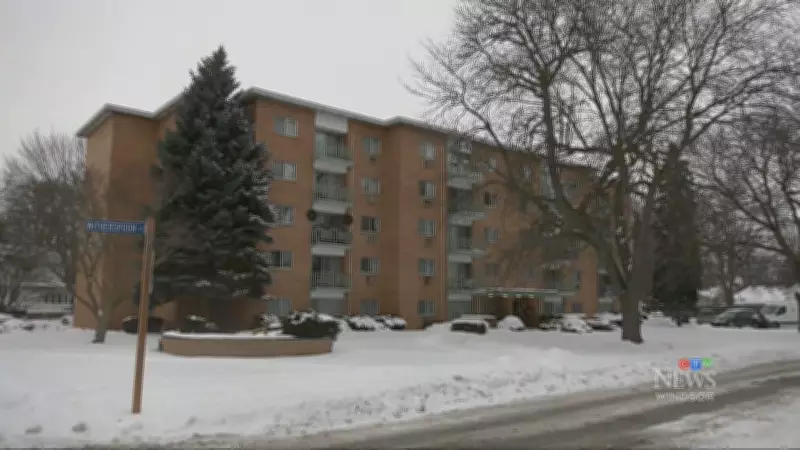
In a decisive move to address the growing housing crisis, councillors in Chatham-Kent are actively pitching new municipal rules designed to curb the practice of renovictions. This initiative comes on the heels of a troubling incident where an entire apartment building received eviction notices under the guise of extensive renovations, leaving numerous tenants in a precarious situation.
The proposed bylaw aims to establish stricter regulations and oversight for landlords seeking to evict tenants for renovation purposes. By implementing these measures, the council hopes to protect vulnerable residents from displacement and ensure that renovations are conducted in good faith, rather than as a pretext for removing tenants to increase rental prices.
Addressing Tenant Vulnerabilities
The push for these rules highlights a broader concern over housing affordability and stability in the Windsor region. Renovictions have become a contentious issue across Canada, with many tenants reporting unfair practices that force them out of their homes without adequate notice or compensation. The Chatham-Kent council's proposal seeks to mitigate these risks by:

- Requiring landlords to provide detailed renovation plans and timelines before issuing eviction notices.
- Mandating that tenants have the right to return to their units at similar rental rates post-renovation.
- Imposing penalties for landlords who misuse renovation claims to evict tenants unlawfully.
This proactive approach reflects a commitment to safeguarding community members from the destabilizing effects of housing insecurity. By exploring bylaw options, the council is taking a stand against practices that exacerbate the already critical shortage of affordable housing.
Broader Implications for Municipal Governance
The discussion around renovictions in Chatham-Kent is part of a larger national conversation on tenant rights and municipal responsibilities. As cities grapple with rising housing costs and limited supply, local governments are increasingly called upon to enact protective measures. The proposed bylaws could serve as a model for other municipalities facing similar challenges, demonstrating how local action can address systemic issues.
Moreover, this initiative underscores the importance of collaborative efforts between councillors, housing advocates, and residents to develop effective solutions. By engaging with stakeholders and considering diverse perspectives, Chatham-Kent aims to create a fairer housing landscape that prioritizes the well-being of all community members.
As the council continues to refine and debate the proposed rules, the outcome will likely have significant implications for tenant protection in the region. This move represents a critical step towards ensuring that renovations serve their intended purpose of improving living conditions, rather than displacing long-term residents.