First Nation Withdraws Backing for Liquefied Gas Export Terminal in British Columbia
A First Nation in British Columbia has formally withdrawn its support for a proposed liquefied gas export facility, a move that could have substantial implications for energy development in the region. This decision represents a notable shift in Indigenous relations with major industrial projects, highlighting evolving priorities and concerns within the community.
Details of the Withdrawal and Project Background
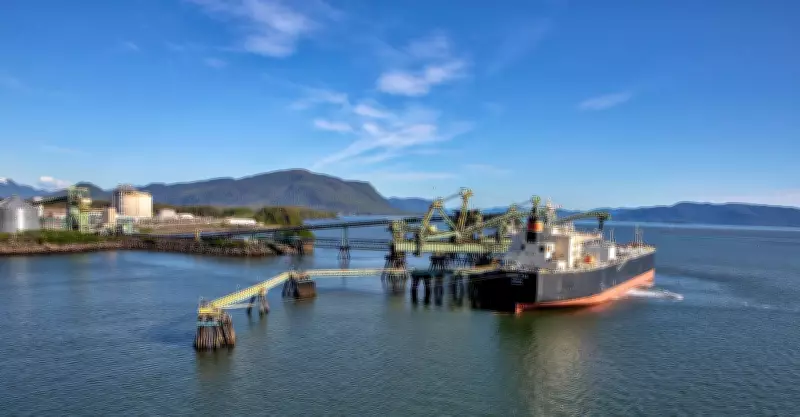
The withdrawal of support comes amid growing scrutiny of liquefied natural gas (LNG) and propane export operations in coastal areas. While the specific reasons for the First Nation's change in position were not detailed in the initial report, such actions often stem from environmental considerations, economic reassessments, or unresolved consultation issues. The AltaGas Ridley Island Propane Export Terminal, referenced in related imagery, exemplifies the type of infrastructure involved, though it is unclear if this is the exact facility in question.
This development underscores the critical role that Indigenous communities play in resource projects across Canada. First Nations hold significant authority over lands and resources within their territories, making their support or opposition a pivotal factor in project approvals and operations.

Broader Context and Implications
The withdrawal aligns with broader trends in British Columbia and beyond, where Indigenous groups are increasingly asserting their rights and demanding greater involvement in decision-making processes. It may signal challenges for other liquefied gas proposals in the province, potentially affecting investment and regulatory timelines.
From an environmental perspective, liquefied gas facilities are often contentious due to concerns about greenhouse gas emissions, marine ecosystem impacts, and contributions to climate change. The First Nation's move could reflect these ecological worries, adding to public and political debates over balancing economic benefits with sustainability goals.
Economically, the decision might impact local employment and revenue streams, but it could also open doors for alternative, greener initiatives supported by the community. This scenario highlights the complex interplay between Indigenous sovereignty, environmental stewardship, and economic development in modern Canada.
In summary, the withdrawal of support by a B.C. First Nation for a liquefied gas export facility marks a significant moment in the province's energy landscape. It emphasizes the growing influence of Indigenous voices in shaping industrial projects and points to potential hurdles for the liquefied gas sector moving forward.