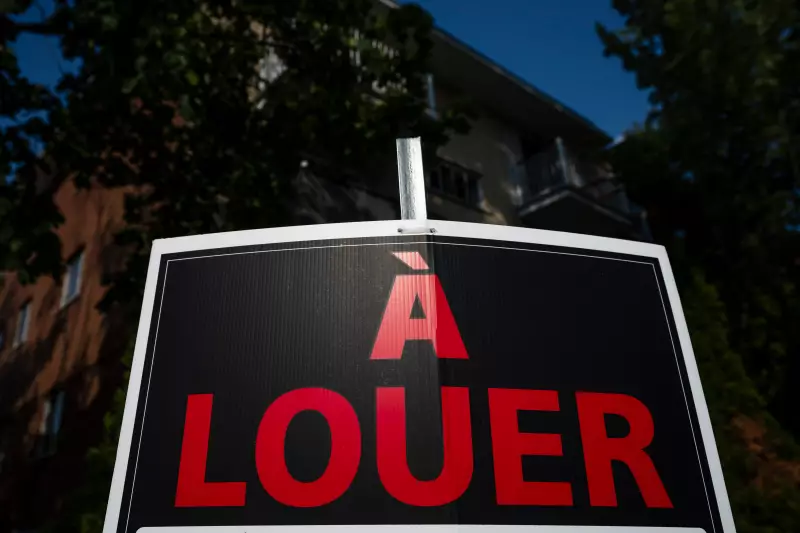
The Quebec rental board, the Tribunal administratif du logement (TAL), has set the allowable base rent increase for 2026 at 3.1%. The decision, announced on January 19, 2026, provides a benchmark for lease renewals across the province, impacting both tenants and landlords in a persistently tight housing market.
Understanding the 2026 Rent Increase Calculation
This percentage is not an automatic increase that all landlords can apply. Instead, it serves as a reference point. Landlords can propose an increase up to this amount without having to justify it to the TAL based on specific expenses like municipal taxes or major repairs. The 3.1% figure is calculated based on a formula that considers the variation in the average cost of municipal taxes and school taxes, as well as the variation in the cost of major maintenance and improvement work for residential buildings.
If a landlord wishes to raise the rent by more than this base percentage, they must provide the tenant with a detailed notice explaining the higher costs that justify the additional increase. Tenants then have the right to accept, refuse, or negotiate the proposed hike.

Context for Montreal's Rental Market
The announcement comes as Montreal continues to grapple with low vacancy rates and high demand for rental units. The approved increase for 2026 follows a pattern of modest annual adjustments set by the TAL, aimed at balancing the financial pressures on property owners with the need for housing affordability.
For tenants, this official rate provides a clear guideline during lease renewal discussions. It empowers them to question any proposed increase that exceeds the 3.1% benchmark unless accompanied by proper justification. For landlords, especially those facing rising operational costs, the base increase offers a measure of predictable annual adjustment.
What This Means for Tenants and Landlords
The TAL's decision is a critical piece of the province's housing policy framework. It establishes a predictable environment for annual lease negotiations. Tenants receiving a renewal notice with an increase at or below 3.1% should know their landlord is not required to provide a detailed cost breakdown. However, any proposal above that threshold triggers the tenant's right to request proof of the claimed expenses.
Landlords must send their rent increase notices to tenants within the legal deadlines, typically three to six months before the end of the lease, depending on its duration. Failure to follow the proper procedure can invalidate the proposed increase.
As the 2026 rental year approaches, both parties are encouraged to communicate openly about lease terms. Tenants unsure about the validity of a proposed increase can seek information and resources from tenant rights associations or directly from the Tribunal administratif du logement.