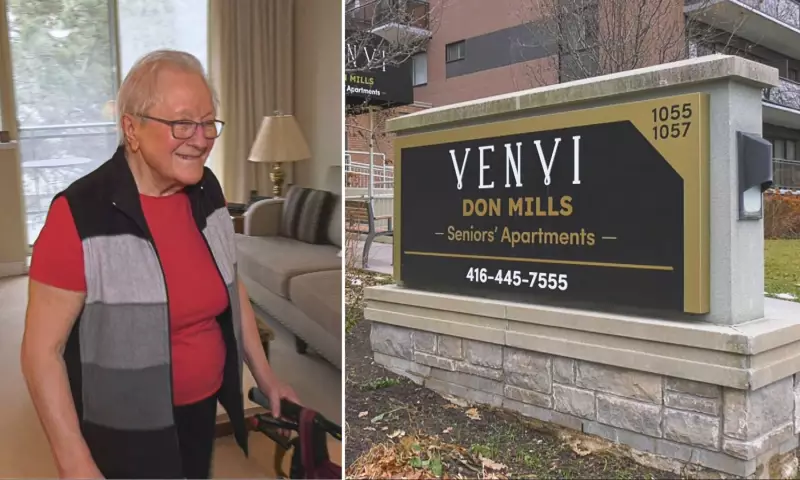
An Ontario senior living in a retirement residence has been left shocked and confused after being notified of a rent increase nearly double the province's official guideline for 2026. The resident's rent is set to rise by 4 per cent, a significant jump above the 2.1 per cent cap set by the provincial government for the year.
The Exemption That Allows Higher Increases
The key detail behind this substantial hike lies in a specific exemption within Ontario's rent control legislation. While the annual rent increase guideline applies to most residential units, it does not cover buildings that were first occupied for residential purposes after November 15, 2018. This retirement residence falls under that exemption, allowing the property owner to set an increase above the provincial cap.
For the senior resident, described as being "flummoxed" by the notice, this legal nuance translates into a direct and challenging financial burden. Fixed incomes common among retirees make unexpected housing cost surges particularly difficult to manage.

Understanding Rent Control in Ontario
Ontario's rent increase guideline is calculated using the Ontario Consumer Price Index, a measure of inflation. For 2026, the government set the maximum increase at 2.1 per cent for the vast majority of tenanted units. Landlords must provide tenants with at least 90 days' written notice using the correct form before implementing an increase.
However, the post-2018 exemption was introduced to encourage the construction of new rental housing supply. Critics argue it leaves tenants in newer buildings vulnerable to above-guideline increases, while proponents believe it is necessary to incentivize development.
Implications for Seniors and Renters
This case highlights a critical issue for seniors choosing retirement residences and for all renters considering newer buildings. It underscores the importance of understanding the specific rules that apply to a rental unit before signing a lease. Tenants and their families are advised to ask direct questions about a building's first occupancy date and its status under the Residential Tenancies Act.
For those facing similar increases in exempt buildings, options are limited compared to tenants in rent-controlled units. While negotiation is always possible, the legal leverage to dispute a guideline-compliant increase does not exist. This situation places the financial planning for seniors in volatile territory, where essential housing costs can rise with limited recourse.
The story serves as a stark reminder for consumers to research their rental agreements thoroughly and to be aware of the exemptions that can significantly impact their cost of living, especially during retirement years.