Montrestaurants and Retailers Face Existential Threat from Urban Development
Two of Montreal's most cherished family businesses are fighting for survival amid what owners describe as crippling construction projects and parking restrictions that have decimated customer access and supplier deliveries. Beautys, the legendary 84-year-old diner on Mont-Royal Avenue, and Venus Fleurs, a floral shop operating for 65 years, report staggering revenue losses they attribute directly to city infrastructure changes.
Devastating Financial Impact on Historic Establishments
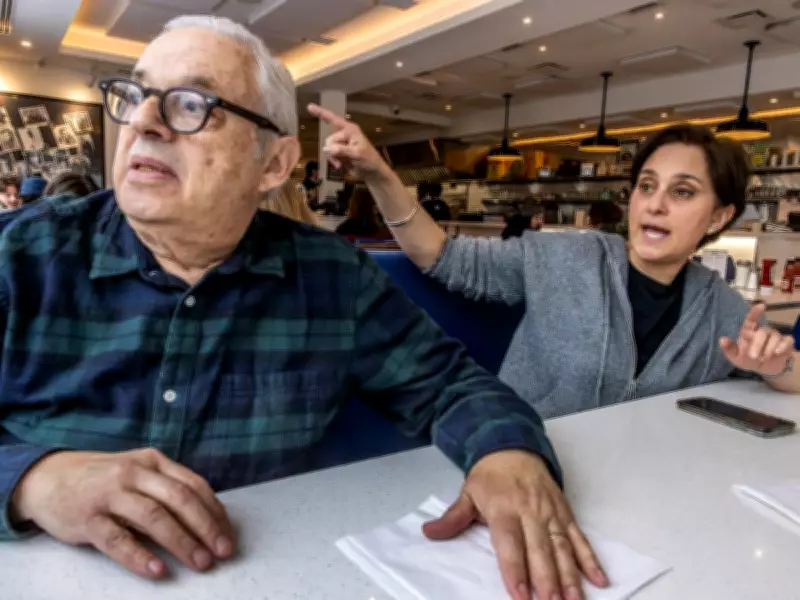
Beautys owner Elana Sckolnick, granddaughter of founder Hymie Sckolnick, reveals the restaurant has suffered a 30 percent drop in revenue over the past year. Meanwhile, Venus Fleurs proprietor John Rodousakis reports an astonishing 85 percent loss, warning he may be forced to close within a year if conditions don't improve. Both businesses pay approximately $36,000 annually in building taxes yet feel abandoned by municipal authorities.
The core issues center around accessibility problems created by recent urban changes:

- A concrete barrier blocks Beautys' delivery entrance on St-Urbain Street, forcing suppliers to carry eggs and other perishables multiple blocks
- Venus Fleurs' suppliers must park over 100 meters away, requiring hired help to transport floral deliveries
- No-stopping zones prevent taxis and ride-sharing services from dropping off customers
- Elderly patrons and families with strollers have abandoned visits due to inaccessible parking
Construction Project Compounds Existing Problems
The situation worsened when Mont-Royal Avenue underwent major reconstruction from May through November last year, with work scheduled to resume for approximately three more weeks once snow clears. The project, intended to improve safety at what officials call one of Montreal's most dangerous intersections, has effectively closed the street to convenient access for nearly a year.
"We were very lucky to have survived COVID," says Sckolnick. "Then we put a lot of money into renovating here. We're trying to do good for us and for the city." The restaurant, famous for its Mish-Mash omelette and celebrity clientele, no longer experiences weekend lineups that once stretched down the block.
Bike Lane Implementation Creates Additional Complications
St-Urbain Street's transformation from four lanes to include dedicated bicycle paths has eliminated numerous parking spaces. While Sckolnick supports bike infrastructure, she requested a small unloading zone that never materialized. "I'm all for the bike paths, but we need some flexibility from the city," she explains, noting that the concrete barrier protecting a tree root system now obstructs her business's delivery access.
Rodousakis attempted to diversify by adding an ice cream counter to attract park visitors, but discovered that parking limitations around Parc du Mont-Royal prevented potential customers from accessing his shop. "What was the point of the city doing all that reconstruction in the park and surrounding streets?" he questions while arranging bouquets in his nearly empty store.
Municipal Response and Merchant Skepticism
Projet Montréal borough councillor Alex Norris expresses empathy for the merchants while defending the safety improvements. "There's lots we can do and there's lots we are doing," he states, promising that parking will "radically improve" once construction concludes. Norris proposes creating a shared delivery zone across Mont-Royal Avenue near the Maxi store, though Sckolnick doubts its adequacy for multiple businesses.
Both business owners report being unaware of available financial compensation for construction-related losses until recently, with Rodousakis now considering applying. Their frustration centers on what they perceive as bureaucratic indifference to generational businesses that have shaped Montreal's cultural landscape.
The human toll extends beyond ownership: Beautys servers like veteran employee Bekah Tremblay report reduced hours and tips due to declining customer traffic. "It's been a nightmare," Tremblay shares, recounting a customer's joke about needing a helicopter to access the restaurant.

As the standoff continues, Sckolnick voices the existential question facing both establishments: "Should we not fight for businesses that our fathers and grandfathers started? Should we walk away and just lock our doors? It's exhausting. Every day is a fight." With construction scheduled through April 10th—missing another crucial holiday season—both businesses face an uncertain future in a changing urban landscape.