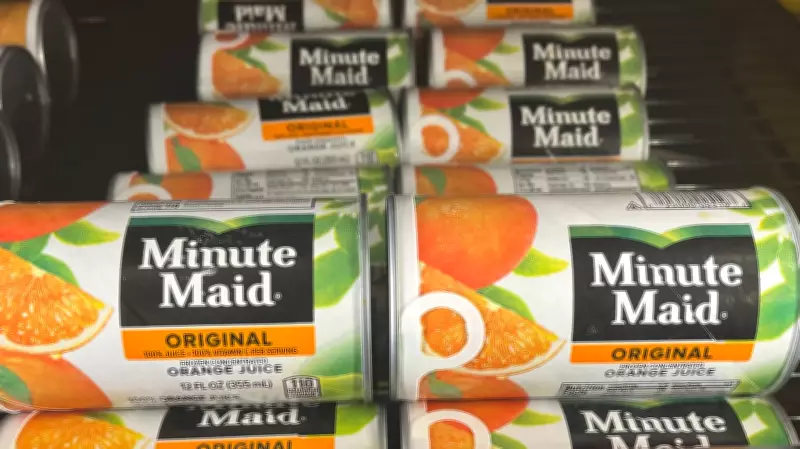
Minute Maid Frozen Juice Concentrate Sales Halted After Eight Decades
The Coca-Cola Company, parent corporation of the Minute Maid brand, announced on Wednesday that it will discontinue sales of frozen juice concentrates across the United States and Canada. This decision marks the end of an 80-year era for a product that helped transform orange juice into a year-round breakfast staple.
Shifting Consumer Preferences Drive Strategic Exit
In an official statement, Coca-Cola explained the strategic move: "We are discontinuing our frozen products and exiting the frozen can category in response to shifting consumer preferences." The company indicated it will focus resources on the fresh juice products that modern customers now favor. Minute Maid's frozen juice varieties—including several orange juice options, lemonade, and limeade—will be phased out by April, with remaining inventory available while supplies last.
For generations, American households relied on the familiar ritual of cracking open a can and hearing the ker-plunk of a frozen juice cylinder dropping into a pitcher. This concentrated format required mixing with water before serving, offering convenience without the labor of squeezing fresh fruit.

Historical Legacy and Market Evolution
The frozen concentrate revolution began in 1946 when Vacuum Foods Corporation became the first U.S. company to ship frozen orange juice nationwide. That product was branded Minute Maid, and the company eventually adopted the same name. Rival brand Tropicana, which continues to sell frozen canned juice, entered the market the following year in 1947.
Coca-Cola acquired Minute Maid in 1960. A significant innovation arrived in 1973 when Minute Maid introduced ready-to-drink orange juice, sold refrigerated rather than frozen, eliminating the mixing step entirely. The brand expanded its portfolio in 1980 by adding lemonade and fruit punch to its lineup.
Contemporary Challenges in the Juice Market
In recent years, the orange juice category has faced multiple headwinds. The market has become increasingly crowded with alternatives like energy drinks and protein smoothies. Simultaneously, adverse weather conditions in major growing regions—Brazil and Florida—have driven prices sharply higher. According to U.S. government data, the average cost for a 12-ounce can of frozen orange juice reached $4.82 in December, representing a 13% increase from the previous year.
Health-conscious consumers have also grown more skeptical of added sugars in juice products. Minute Maid responded to this trend in 2020 by launching Zero Sugar versions of its fresh juices. However, the frozen juice segment, including Minute Maid's offerings, has struggled to maintain relevance.
Broader Category Decline Confirms Trend
Market research from NielsenIQ underscores the broader decline. Sales of frozen beverages in the United States fell nearly 8% during the 52-week period ending January 24. This data confirms the sustained shift in consumer behavior away from frozen concentrates and toward other beverage formats, particularly fresh, refrigerated options.
The discontinuation of Minute Maid frozen concentrates symbolizes a significant transition in North American consumption habits, closing a chapter that began in the post-war era and defined morning routines for millions of families.