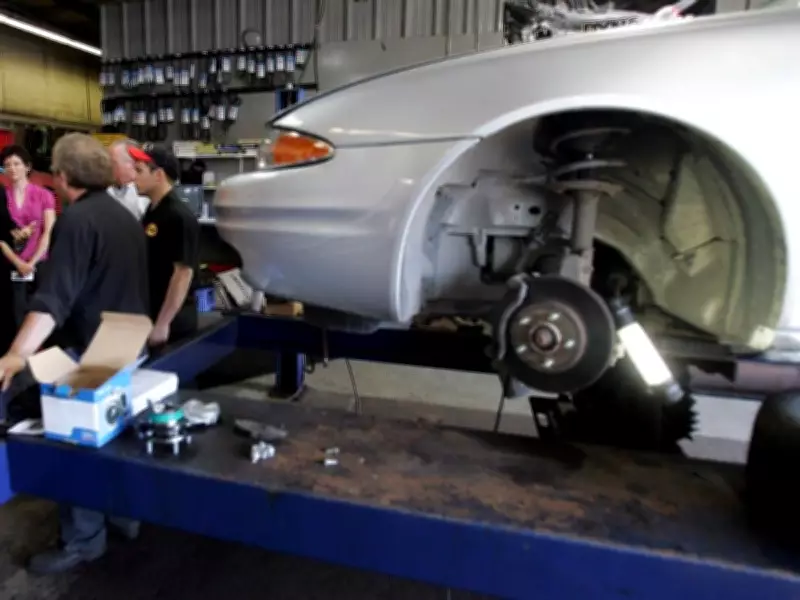
Canadian Automotive Group Urges New Federal Right-to-Repair Legislation
The Automotive Industries Association of Canada (AIA) is calling on the federal government to implement strengthened right-to-repair legislation, arguing that Canadian drivers are facing significant financial burdens due to anticompetitive practices by vehicle manufacturers. According to the association, mandating automakers to make proprietary repair and maintenance data publicly available to non-dealer-affiliated repair shops could save consumers up to $500 per year on common vehicle repairs.
Digital Barriers and Consumer Choice
AIA spokesperson Emily Holtby emphasized that the increasing computerization of modern vehicles makes access to operational data crucial for independent repair businesses. "Our issue is that we need information from the automakers directly to diagnose and service a vehicle. And with vehicles becoming more and more advanced, accessing this information is becoming increasingly complicated," Holtby stated.
Holtby explained that it's becoming increasingly common for car manufacturers to incorporate digital barriers into their business models, effectively forcing consumers to use their in-house repair services. "We might be able to access a certain amount of information but not all of it. And so the consumer is forced to go to their dealership instead and get repairs done at a premium," she added.

Cost Disparities and Electric Vehicle Challenges
The financial impact is substantial, with independent repair shops charging:
- Up to 30% less for routine repairs
- As much as 80% less for heavy-duty repairs
compared to dealer-affiliated service centers. This problem is particularly acute for electric vehicles, which typically contain more computer code and fewer mechanical components than traditional fuel-powered cars.
"Companies like Tesla make it especially difficult for third-parties to get their hands on that repair data, so then Tesla drivers are at major disadvantage because they have to live near a Tesla dealership and use the name-brand Tesla parts," Holtby noted.
She clarified that there are no technical barriers preventing electric vehicle companies from releasing this information, and no inherent reason why electric vehicles should be more expensive to repair than conventional automobiles.
Existing Legislation and Future Needs
Parliament passed two bills in 2024 that amended Canada's Copyright Act, allowing independent repair and servicing businesses to bypass digital locks that restrict access to operational data. While Holtby acknowledged these measures as a positive step forward, she emphasized they don't go far enough.
"These measures were a good start but don't place an onus on manufacturers to share this data or specify penalties for non-compliance," Holtby explained.
Broader Policy Implications
Alissa Centivany, a professor of technological policy at Western University and right-to-repair advocate, highlighted additional challenges. She suggested that increasing trade tensions with the United States and other major trading partners could provide manufacturers with justification to withhold data under the guise of security and intellectual property concerns.
The push for enhanced right-to-repair legislation comes at a critical juncture as vehicles become increasingly sophisticated and dependent on proprietary software systems. The AIA's advocacy represents a significant effort to balance technological innovation with consumer rights and market competition in Canada's automotive sector.