

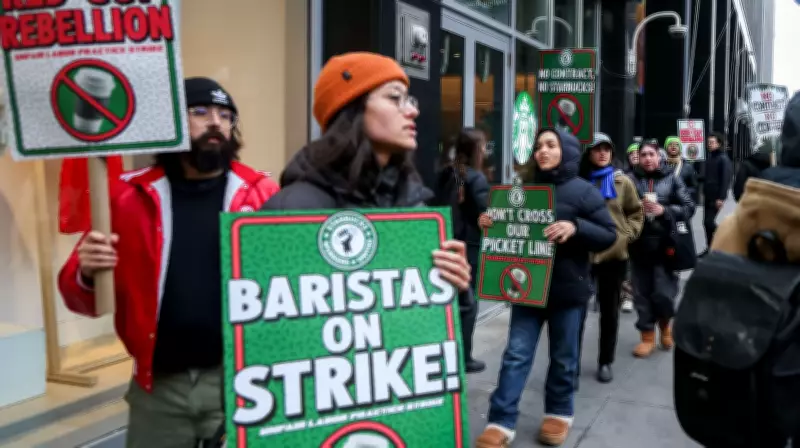
Starbucks Union Escalates Contract Fight with Call to Delete Mobile App
In a significant escalation of their prolonged battle for a first collective bargaining agreement, unionized Starbucks baristas are now calling on supporters to delete the Starbucks mobile application from their phones. This strategic move aims to apply direct pressure on the coffee giant at the bargaining table by targeting a crucial revenue stream.
Targeting Mobile Transactions
The union, Workers United, has organized approximately 650 stores across Canada and the United States since late 2021. Despite this widespread organization, securing a comprehensive contract that guarantees wage increases and improved benefits has remained elusive. The app deletion campaign represents a new front in this labor struggle.
Starbucks has previously disclosed that more than 30% of its transactions originate from mobile orders, making this digital platform a vital component of its sales strategy. A successful boycott could therefore deliver a substantial financial impact.

Worker Frustration and Corporate Response
Union leaders have expressed profound frustration with the negotiation process. Jasmine Leli, a barista and union organizer, issued a statement condemning corporate practices. "It's disgusting for a corporation worth billions of dollars to force employees to rely on social assistance programs while executives enjoy lavish perks," Leli stated, specifically referencing reports about the CEO's lengthy private jet commute.
However, Starbucks spokesperson Jaci Anderson countered the union's claims, asserting that the campaign has not affected app usage. "We have not seen — nor do we expect — any impact on customer use of the Starbucks app," Anderson told media outlets. The company maintains that it offers "the best job in retail," citing lower turnover rates and high application numbers as evidence of its desirable workplace.
Stalled Negotiations and Broader Context
The call for app deletion follows an unfair labor practice strike that began in November at roughly 180 unionized stores. While most workers have since returned, the underlying contract dispute remains unresolved. Negotiations between Starbucks and Workers United have been at a standstill for over a year, with both sides accusing the other of bad faith bargaining.
Key points of contention include:
- Wage increases that keep pace with inflation and living costs
- Comprehensive health care benefits for all employees
- Job security provisions and consistent scheduling
- Recognition of the union's role in workplace decisions
Anderson noted that tentative agreements have been reached on approximately 30 secondary matters, but the core economic issues of pay and benefits remain outstanding. These are typically the most difficult components to settle in any labor negotiation.
A Historic Labor Movement
The Starbucks unionization drive represents one of the most significant labor movements in the North American retail sector in decades. Until Workers United began its campaign less than five years ago, none of Starbucks' roughly 11,000 corporate-owned stores were organized.
First contracts in newly unionized workplaces are notoriously challenging to secure, often requiring sustained pressure and creative tactics. The app boycott represents precisely such an innovative approach, leveraging digital consumer behavior to advance traditional labor goals.
Silvia Baldwin, a Philadelphia barista who participated in recent strike actions, emphasized the workers' determination. "If the company wants to act rationally and in its own best interests, they will actually engage with us and listen to us," Baldwin said. "We know this company is more than capable of doing what is right."
The outcome of this confrontation will likely influence labor relations across the retail and service sectors, setting precedents for how digital platforms intersect with traditional collective bargaining in the modern economy.






