Westminster Agility Champion Handler Reveals Secrets to Canine Success
For spectators captivated by the breathtaking speed and precision of dogs at the Westminster Kennel Club Masters Agility Championship, the performance can seem almost magical. However, behind every flawless run lies a foundation of rigorous training, deep understanding, and a powerful bond between handler and dog. Emily Klarman, a handler who has triumphed at this prestigious event, provides an exclusive look into the methods that propel teams to the pinnacle of the sport.
The Foundation of a Winning Partnership
Klarman emphasizes that success in agility is not merely about physical prowess. The cornerstone is a relationship built on trust, clear communication, and mutual respect. "It's a dance," she explains, describing the seamless coordination required. Handlers must read their dog's subtle cues while providing timely, unambiguous direction through body language, voice, and whistle commands. This partnership is cultivated through countless hours of positive reinforcement training, where patience and consistency are paramount.
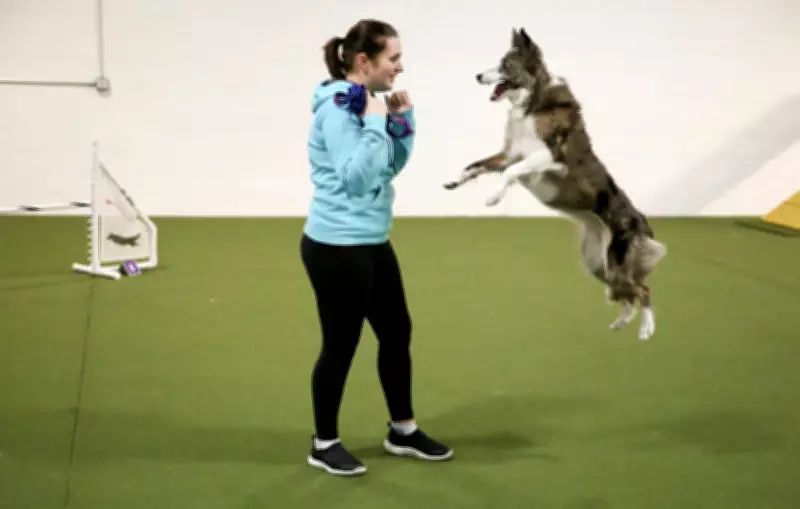
At her training facility, UDog Agility in Huntingdon Valley, Pennsylvania, Klarman works with her border collie, Swish, demonstrating the focus and joy inherent in their practice. The environment is designed to build confidence, starting with simple obstacles and gradually increasing complexity to master the intricate courses seen at Westminster.

Training Techniques for Peak Performance
The path to competition readiness involves a multifaceted approach. Klarman outlines several key components:
- Obstacle Proficiency: Dogs must learn to navigate jumps, tunnels, weave poles, and contact equipment like the A-frame and dog walk with speed and accuracy. Training breaks down each element into manageable steps.
- Course Strategy: Handlers study course maps to plan the most efficient path, minimizing the dog's running distance while maximizing flow. This strategic planning is as crucial as the physical execution.
- Mental Conditioning: Agility is a mentally demanding sport. Dogs are trained to maintain focus amid the distractions of a loud, crowded arena. Klarman uses play and rewards to keep the experience positive and engaging.
- Physical Fitness: A tailored regimen ensures canine athletes are in peak condition, with exercises to build strength, agility, and endurance while preventing injury.
The result is a team that moves as one, anticipating each other's moves with split-second timing. For Klarman and Swish, their championship run was the culmination of this dedicated, holistic preparation.
The Heart of the Sport
Beyond the ribbons and titles, Klarman highlights the profound joy and connection that agility fosters. It celebrates a dog's natural abilities and intelligence, providing an outlet for energy and a deep sense of accomplishment for both partners. For aspiring handlers, her advice is to start with foundation skills, celebrate small victories, and, above all, prioritize the fun and bond with your canine companion. The agility community, she notes, is built on a shared passion for these remarkable animals and the thrilling sport that showcases their talents.