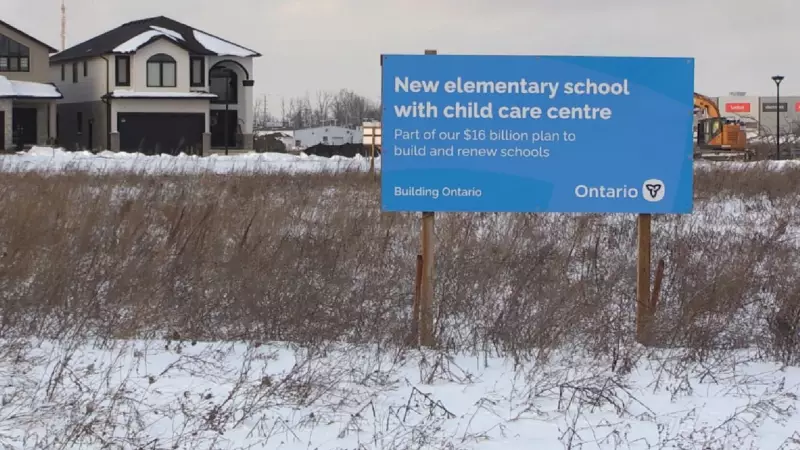
London City Council Grapples with Property Tax Responsibility for Future School Sites
London city councillors have entered into a significant debate regarding property tax relief for development lands that are currently slated for potential new school construction. This discussion emerges following the city's decision to grant local school boards additional time to carefully select appropriate sites for educational facilities. The central question revolves around which party should bear the financial burden of property taxes during this extended planning period.
Extended Timelines Create Municipal Finance Questions
The decision to provide school boards with more flexibility in choosing locations for new educational institutions has created an unexpected municipal finance dilemma. While the extended timelines allow for more deliberate site selection processes, they also mean that designated lands remain undeveloped for longer periods. This situation raises important questions about municipal revenue streams and the equitable distribution of tax responsibilities between educational authorities and property developers.
CTV's Daryl Newcombe has been following this developing story, highlighting how the debate touches upon multiple aspects of urban planning and public finance. The discussion reflects broader tensions between educational infrastructure needs and municipal budgetary constraints that many Canadian cities currently face.

Tax Relief Considerations for Development Properties
The properties in question represent potential future school sites that have been identified for educational development. Under normal circumstances, these lands would transition from private ownership or other uses to become public educational facilities. However, the extended selection period creates a unique interim phase where the properties remain in limbo – designated for public use but not yet developed for that purpose.
City councillors are now examining several potential approaches to this challenge:
- Whether property taxes should be waived entirely during the site selection period
- If partial tax relief represents a more balanced approach
- How to structure any tax relief to ensure fairness to all stakeholders
- The potential impact on municipal budgets and services
Broader Implications for Educational Infrastructure Planning
This London-specific debate reflects larger conversations happening across Ontario regarding educational infrastructure development and municipal cooperation. As school boards face increasing pressure to accommodate growing student populations, the relationship between educational planning and municipal finance becomes increasingly important.
The extended timeline for site selection, while potentially beneficial for long-term planning, creates immediate financial questions that require careful municipal consideration. The outcome of London's debate may establish precedents for how other municipalities approach similar situations involving public infrastructure development on private lands.
As the discussion continues, London city councillors must balance the need for thoughtful educational planning with the practical realities of municipal finance and property taxation. The resolution of this issue will likely influence how future school development projects are approached not only in London but potentially across the province.