Canada's Housing Supply Shows Modest Gains in 2025 as Demand Remains Sluggish
According to the Canada Mortgage and Housing Corporation (CMHC), the national housing supply made significant strides in 2025, although this progress was tempered by persistently weak demand and ongoing struggles in the condominium market. The report highlights a complex landscape where construction activity increased, but economic factors and market dynamics limited broader housing accessibility.
Supply Improvements Amid Economic Headwinds
The CMHC data indicates that housing starts and completions rose across many regions, contributing to a notable expansion in available housing stock. This growth was particularly evident in single-family homes and some multi-unit developments, driven by earlier investments and policy initiatives aimed at addressing Canada's housing shortage. However, the agency cautions that these gains were uneven, with certain urban centers experiencing more robust supply increases than others.
Weak consumer demand played a critical role in shaping the 2025 housing landscape. High interest rates, inflationary pressures, and economic uncertainty discouraged many potential buyers, leading to slower sales and longer listing times. This demand-side weakness meant that even as supply grew, it did not translate into significantly improved affordability or market balance for many Canadians.

Condominium Market Faces Persistent Challenges
The condominium sector continued to face substantial difficulties throughout 2025. Construction delays, rising material costs, and regulatory hurdles hampered new condo projects, while existing condo markets grappled with softening prices and elevated inventory levels. CMHC analysts note that condo markets in major cities like Toronto and Vancouver were particularly affected, with some developments experiencing cancellations or prolonged pre-construction phases.
"The condo segment's struggles reflect broader market vulnerabilities," the report states. "While supply increased overall, the condo pipeline remains constrained by financial and logistical challenges that could impact future housing diversity."
Regional Variations and Future Outlook
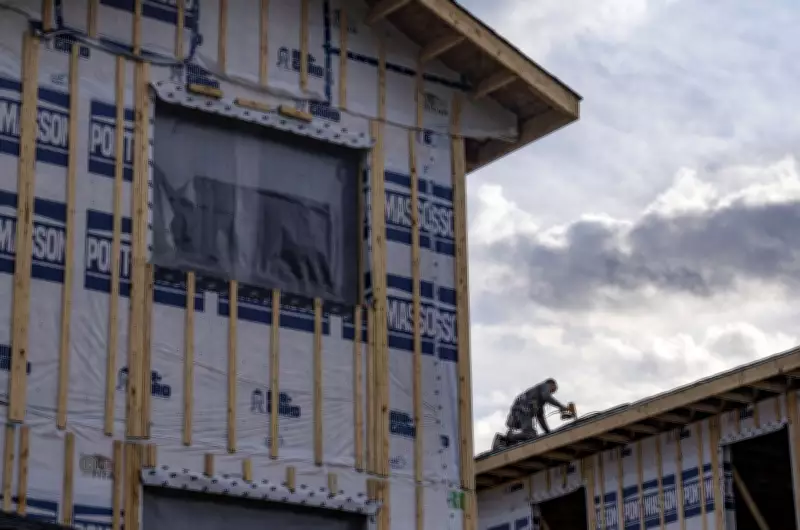
Regional analysis reveals that housing supply growth was most pronounced in Quebec and parts of Ontario, where initiatives to accelerate construction yielded measurable results. For instance, developments in areas like Salaberry-de-Valleyfield, Que., demonstrated active construction activity, as seen in roofing work on new housing projects in late 2025. Conversely, some Western and Atlantic provinces saw more modest supply improvements, constrained by labor shortages and infrastructure limitations.
Looking ahead, CMHC projects that housing supply will continue to expand gradually in 2026, but warns that demand recovery may lag without economic stabilization. The agency emphasizes that sustained policy support and investment in affordable housing will be crucial to maintaining supply momentum and addressing long-term housing needs.
The 2025 housing data underscores a critical juncture for Canada's real estate sector: while supply-side progress is encouraging, it must be matched by stronger demand and targeted interventions to ensure housing becomes more accessible and responsive to demographic shifts.