Doug Ford's Housing Policy Success Overshadowed by Controversial Decisions
Ontario Premier Doug Ford has achieved a significant policy victory in recent weeks by implementing measures to boost the province's stagnant housing industry and improve affordability for new home buyers. However, his accomplishments have been largely overshadowed by a series of controversial decisions and proposals that have drawn criticism from various quarters.
Substantial Housing Affordability Measures
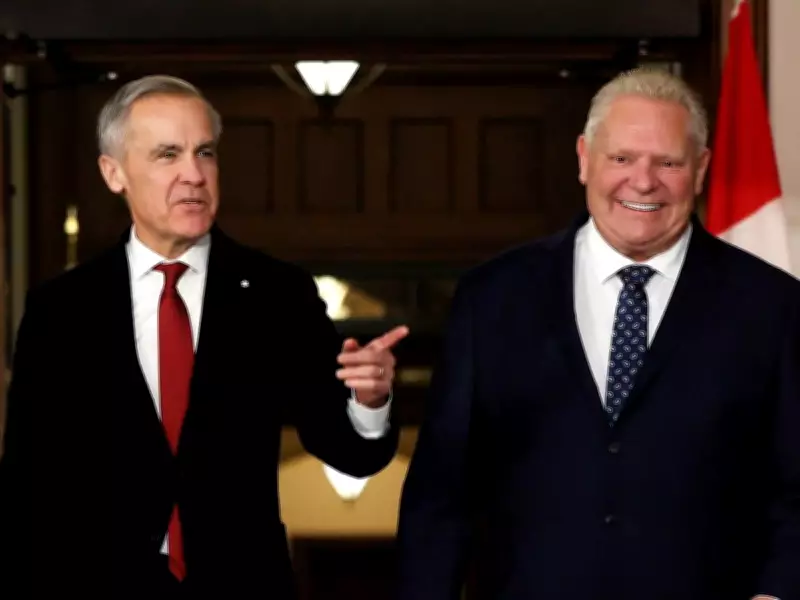
Ford, in collaboration with Prime Minister Mark Carney, has introduced two major initiatives designed to make home ownership more accessible to Ontarians. The most substantial measure involves eliminating the Harmonized Sales Tax on new homes valued up to $1 million, which translates to savings of approximately $130,000 for buyers. For homes priced between $1 million and $1.5 million, a sliding scale tax break will apply, providing partial relief to purchasers in this price range.
Additionally, the provincial and federal governments have agreed to reduce municipal development charges by 50 percent, though specific implementation details remain somewhat unclear. When combined, these two policy changes could save new home buyers up to $200,000, creating a powerful incentive that should stimulate construction activity and increase housing supply across Ontario.

This represents a genuine solution to a pressing economic and social problem, exactly the type of substantive policy action citizens should expect from their government leaders. The measures directly address housing affordability concerns that have plagued the province for years and demonstrate effective collaboration between different levels of government.
Questionable Priorities Amid Economic Uncertainty
Despite these housing policy successes, Ford has simultaneously pursued initiatives that appear poorly timed and potentially wasteful. At a moment when many Ontarians face financial pressures from multiple directions—including rising fuel prices, broader inflationary trends, and concerns about mortgage renewals—the premier has proposed constructing a massive new convention center for Toronto.
The proposed facility would be five times larger than the existing convention center, with Ford describing it as designed to create "shock and awe." However, taxpayers may experience more shock than awe, particularly since the proposal lacks both a detailed business case and estimated cost projections. This comes at a time when the provincial government faces a projected deficit of $13.8 billion for the current year, up from $12.3 billion the previous year.
Freedom of Information Restrictions Draw Criticism
Ford has further complicated his political standing by attempting to impose new restrictions on freedom of information requests. The proposed rules would exclude any communication conducted on personal devices by the premier, his ministers, or their staff from public disclosure requirements.
The premier has attempted to justify these restrictions as necessary to protect citizen privacy and even suggested they might help safeguard Ontario from foreign surveillance. However, when confronted with criticism from the provincial information and privacy commissioner, Ford dismissed her concerns as "political" rather than substantive. He similarly brushed aside opposition party critiques by referencing his electoral successes and current polling advantages.
These proposed restrictions create the unfortunate impression that the government has something to hide, particularly since they would apply retroactively. This perception is reinforced by the government's previous reluctance to release emails related to its controversial efforts to eliminate certain Toronto bike lanes.
A Mixed Policy Legacy
The contrast between Ford's housing affordability achievements and his other recent decisions creates a complex political picture. On one hand, he has implemented concrete measures that address a genuine economic challenge facing many Ontarians. On the other hand, he has pursued projects and policies that appear disconnected from current economic realities and public expectations of government transparency.

This pattern suggests a premier capable of substantive policy achievement when focused on pressing issues, but equally capable of distraction by pet projects and defensive maneuvers that undermine public trust. The coming months will reveal whether Ford can maintain focus on the housing initiatives that represent his most significant policy accomplishment while avoiding further unforced errors that detract from his government's substantive work.