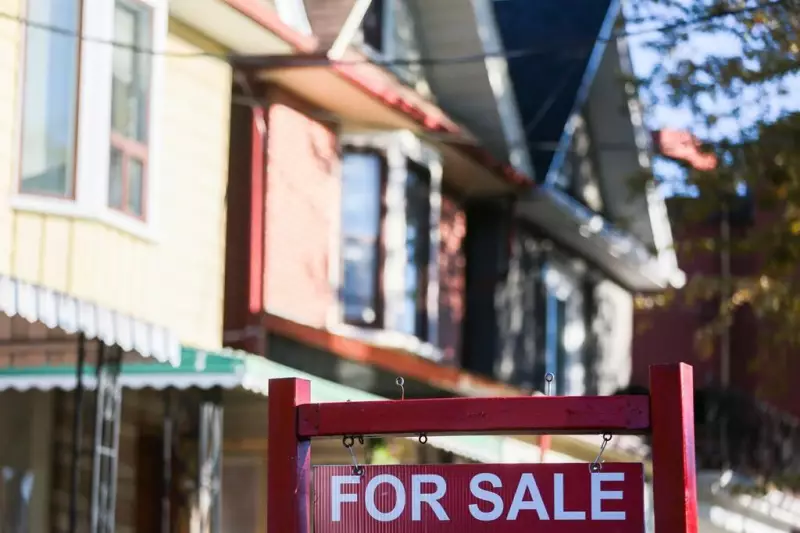
Real estate experts are issuing a stark warning for Ontario homeowners, buyers, and policymakers: the province's housing market challenges are projected to intensify in the coming year. A consensus among analysts suggests that the issues of affordability, supply shortages, and market pressure that have defined recent years are not only persisting but are on track to worsen in 2026.
A Market Under Persistent Strain
The forecast for Ontario's real estate landscape in 2026 is not optimistic. Specialists point to a confluence of factors that continue to strain the market. High interest rates, which have cooled some activity, have not been enough to significantly lower prices to accessible levels for many first-time buyers. Meanwhile, the fundamental shortage of housing supply, particularly in high-demand areas like the Greater Toronto Area, remains a critical, unresolved issue.
The persistent gap between housing supply and population-driven demand is the core driver of the predicted difficulties. Construction of new homes, while ongoing, is not keeping pace with need, leading to a sustained competitive environment. This dynamic places continuous upward pressure on prices and rental rates, squeezing household budgets across the province.

What This Means for Buyers and Sellers
For prospective buyers, the forecast indicates another year of tough competition and high barriers to entry. Saving for a down payment remains a monumental task as price corrections in many areas have been modest relative to the surges seen in previous years. The dream of homeownership is being deferred for many, leading to increased pressure on the rental market as an alternative.
Sellers may find a more bifurcated market. While desirable properties in prime locations are expected to continue attracting significant interest, other segments could see longer listing periods and more negotiation on price. The overall environment suggests a market that is challenging to navigate for all parties, requiring careful planning and realistic expectations.
The Broader Impact and Call for Action
The implications of a worsening housing market extend far beyond individual transactions. Economists warn that severe affordability issues can impact labour mobility, as workers are unable to relocate to where jobs are plentiful. It also contributes to growing household debt and financial stress, with broader consequences for the provincial economy.
The expert predictions for 2026 serve as a urgent call for sustained and accelerated policy action. While all levels of government have introduced measures aimed at increasing supply and providing targeted support, analysts argue that the scale and speed of the response must match the severity of the crisis. Solutions frequently cited include streamlining development approvals, incentivizing the construction of "missing middle" housing, and significant investment in affordable and non-market rental projects.
As Ontario moves deeper into 2026, the housing market stands as one of its most pressing socio-economic challenges. The expert outlook underscores that without decisive and coordinated intervention, the situation for many residents seeking secure and affordable housing is likely to become more difficult before it improves.