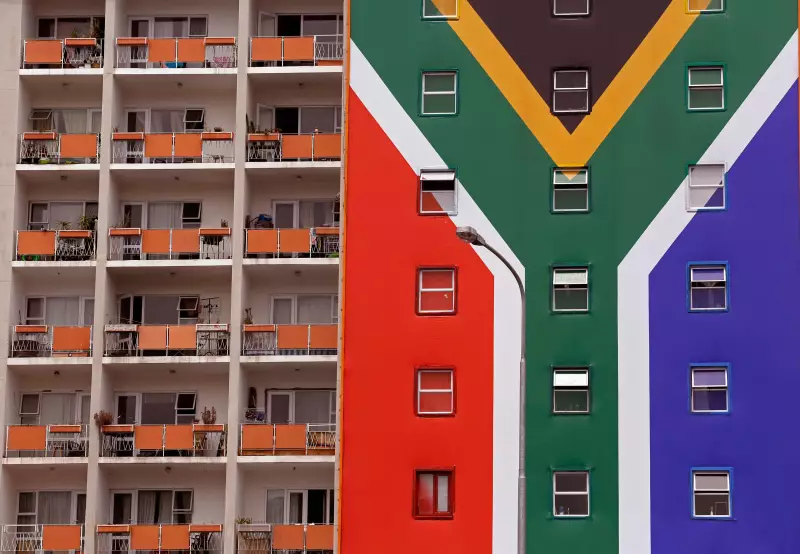
The picturesque city of Cape Town, South Africa, is grappling with a deepening housing crisis that is being exacerbated by the rapid growth of short-term rental platforms like Airbnb. The conversion of long-term residential properties into tourist accommodations is reducing the available housing stock for local residents, creating significant social and economic tensions.
The Clash Between Tourism and Housing Needs
As a premier global tourist destination, Cape Town has seen a massive influx of visitors seeking vacation rentals. This demand has made it financially attractive for property owners to list their apartments and houses on platforms such as Airbnb rather than offering them to long-term tenants. The shift is directly shrinking the supply of affordable rental housing for the city's permanent population, pushing prices higher and forcing many residents to live farther from their workplaces.
The situation highlights a global urban dilemma where the economic benefits of tourism collide with the fundamental need for stable housing. In Cape Town, the problem is particularly acute in central and coastal neighborhoods, which are highly desirable to both tourists and locals alike.

Social and Economic Consequences for Residents
The consequences of this housing squeeze are far-reaching. Families are being displaced, community structures are weakening, and the cost of living is rising disproportionately for middle and lower-income earners. The crisis is not just about availability; it's about the changing character of neighborhoods and access to urban spaces.
Local advocacy groups and some city officials have called for stricter regulations on short-term rentals, similar to measures adopted in other major cities worldwide facing comparable pressures. Proposed solutions include caps on the number of days a property can be rented annually, licensing requirements, or zoning restrictions in certain residential areas.
A Global Pattern in a Local Context
Cape Town's struggle mirrors challenges seen in cities from Barcelona to Toronto, where the proliferation of short-term rentals has impacted housing markets. The date of the report, December 25, 2025, underscores that this is a current and ongoing issue, not a historical footnote. The city's iconic status, symbolized by the South African flag on its apartment blocks, is now intertwined with a complex debate about sustainable urban living.
Finding a balance that preserves the economic vitality brought by tourism while protecting the right to housing for citizens remains Cape Town's critical challenge. The outcome of this conflict will likely set a precedent for other South African cities and tourist hotspots around the world navigating the same turbulent waters.