Diverging Paths in Canada's Housing Landscape
Canada's two largest provincial economies are charting dramatically different courses when it comes to residential construction, with Alberta experiencing unprecedented growth while Ontario continues to struggle with declining housing starts. This widening gap highlights fundamental differences in policy approaches and regulatory environments that are shaping housing availability across the country.
Alberta's Record-Breaking Performance
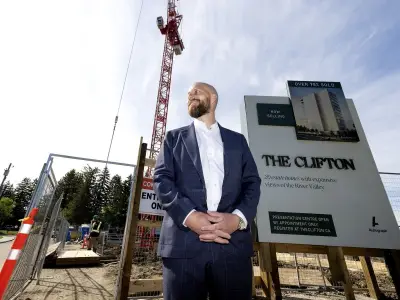
Alberta has achieved remarkable success in housing development, posting a second consecutive record year for housing starts in 2025. The province broke ground on 54,858 new dwellings, representing a substantial 14 percent increase from the previous record of 47,827 starts set in 2024. This performance positioned Alberta as the national leader in per capita housing starts for the second straight year.
"What that tells me is this: Alberta is obviously on a hot streak, but that does not happen by accident," emphasized Alberta Housing Minister Jason Nixon during a recent update on provincial housing statistics. "It's the result of concentrated efforts by the government of Alberta and our partners."

Remarkably, Alberta generated more than one in five housing starts across Canada despite representing only about 12 percent of the national population. This disproportionate contribution to national housing construction underscores the province's aggressive approach to addressing housing supply challenges.
Ontario's Persistent Decline
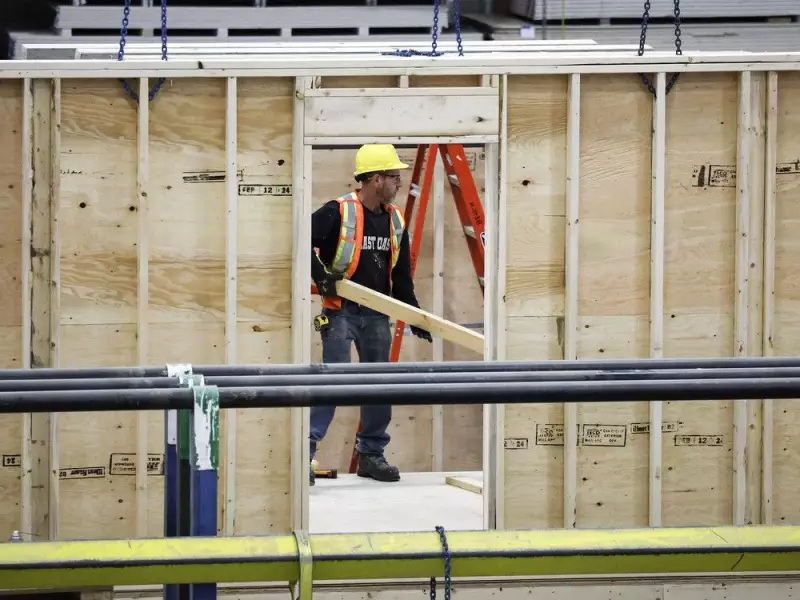
Meanwhile, Ontario has experienced a concerning trend of diminishing housing starts, marking the fourth consecutive year of decline in 2025. The province recorded just 65,376 housing starts, representing a significant 12 percent decrease from the 74,573 units initiated in 2024. This downward trajectory continues despite Ontario's much larger population base and ongoing housing demand.
The contrast becomes particularly stark when considering population dynamics. Ontario managed only about 10,000 more housing starts than Alberta in 2025, despite having more than three times Alberta's population. Both provinces welcomed between 110,000 and 125,000 new residents during the 12-month period between July 2024 and July 2025, highlighting the growing disparity between population growth and housing construction in Ontario.
This performance falls far short of provincial commitments, with Ontario Premier Doug Ford having promised to build 1.5 million new homes over 10 years during the 2022 provincial election. Current progress represents only about one-tenth of that ambitious target.
Regulatory and Policy Differences
Minister Nixon suggested that regulatory distinctions between the provinces likely contribute significantly to the divergent housing outcomes. "I would submit to you that Toronto's probably a harder place to clean up red tape than Calgary or Edmonton," he observed, while acknowledging he's not an expert on Ontario's specific housing market conditions.
The Alberta government has pursued a strategy focused on streamlining processes and reducing barriers to construction. "We figured out pretty early that the housing problem we were dealing with was a supply problem," Nixon explained. "So we focused on ... making sure our industry could actually build, and that we were removing barriers at all levels of government."
This approach includes practical initiatives like a provincial web portal where builders can report housing delays, along with expanded rent assistance programs to help low-income Albertans secure rental housing.
Expert Analysis of Ontario's Challenges
Toronto-based housing advocate Eric Lombardi offered additional perspective on Ontario's struggles, suggesting that while regulatory complexity plays a role, municipal development charges represent another significant obstacle. "Ontario, at a provincial level, has uniquely done almost every economic mistake ... when it comes to how we build housing in the province," Lombardi stated, pointing specifically to levies municipalities impose on developers before construction even begins.

These upfront costs can discourage development and increase the final price of housing units, creating additional barriers in an already challenging market environment. The combination of regulatory hurdles and financial disincentives appears to be contributing to Ontario's ongoing housing construction difficulties.
The growing divergence between Alberta's housing success and Ontario's continued challenges highlights how provincial policy choices and regulatory environments can dramatically influence housing market outcomes. As both provinces continue to welcome substantial numbers of new residents, their differing approaches to housing construction will likely have lasting implications for affordability, economic growth, and quality of life for years to come.