Catastrophic Landslide at Rubaya Mine Claims Over 200 Lives in Congo
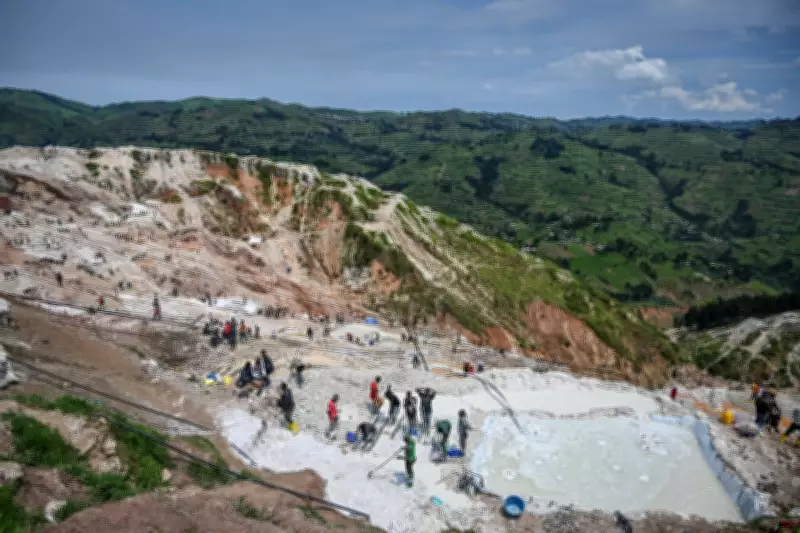
A massive landslide at the Rubaya coltan mine in the Democratic Republic of Congo has resulted in the deaths of more than 200 people, according to an official statement from the country's mines ministry. The disaster, one of the deadliest mining accidents in recent memory, occurred at a site known for its production of coltan, a mineral critical for electronics manufacturing.
Details of the Tragedy
The mines ministry confirmed the staggering death toll following the catastrophic collapse of earth and rock at the mine, located in the mineral-rich eastern region of Congo. Rescue efforts are underway, but the scale of the landslide and the remote location of the mine are complicating operations. Local authorities and emergency responders are struggling to access the site, with many victims feared buried under tons of debris.
This incident underscores the perilous conditions faced by miners in Congo, where informal and small-scale mining operations often lack proper safety protocols. Coltan mining, in particular, has been associated with hazardous working environments, as demand for the mineral drives intense extraction activities.

Context and Industry Impact
The Rubaya area is a significant hub for coltan extraction, a key component in capacitors used in smartphones, laptops, and other electronic devices. Congo supplies a substantial portion of the world's coltan, making such mining disasters not only a human tragedy but also a potential disruptor to global supply chains.
Previous reports have highlighted safety issues in Congolese mines, including inadequate infrastructure and regulatory oversight. This landslide is likely to reignite calls for improved mining regulations and enforcement to protect workers in the industry.
Response and Ongoing Concerns
The mines ministry has pledged to investigate the cause of the landslide, with initial speculation pointing to heavy rainfall or unstable geological conditions. However, critics argue that systemic negligence and a lack of investment in safety measures are contributing factors that need urgent addressing.
As the community mourns, questions are being raised about the long-term sustainability of mining practices in Congo. The tragedy at Rubaya serves as a stark reminder of the human cost behind the global demand for critical minerals, prompting discussions on ethical sourcing and worker protection in the mining sector.