Canada's Nation-Building Push Stalls in Regulatory Maze
Canada's ambitious nation-building efforts, particularly in the resource and infrastructure sectors, are encountering significant roadblocks due to persistent regulatory uncertainty and unclear frameworks for Indigenous consultation. Developers across the country report facing substantial challenges on the ground, with permitting processes, infrastructure hurdles, and ambiguous consultation requirements creating an environment of unpredictability that threatens major projects.
The KSM Project: A Case Study in Regulatory Limbo
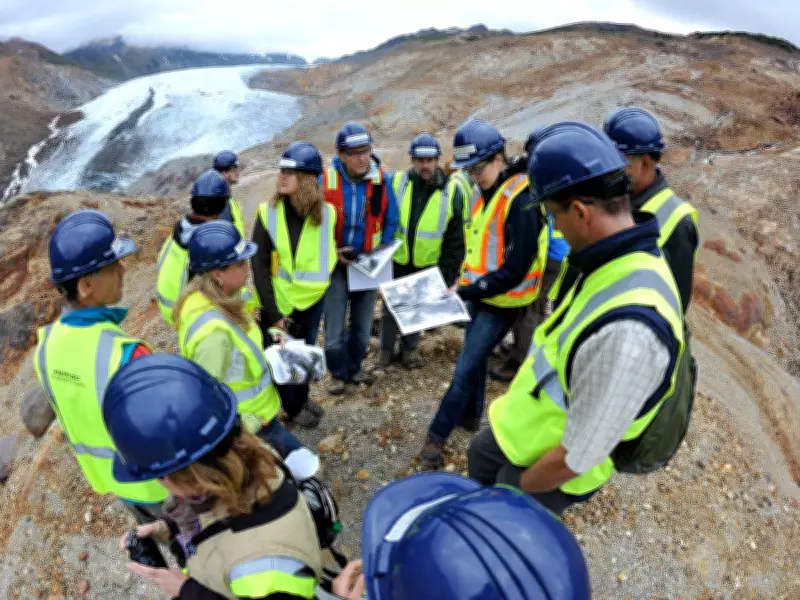
Seabridge Gold Inc.'s KSM project in northwestern British Columbia exemplifies these challenges. After more than two decades of Indigenous consultation and hundreds of millions of dollars in investment, the company believed it had finally cleared a critical regulatory hurdle in the summer of 2024 when the province reaffirmed the project's environmental approval. The KSM project represents one of the world's largest undeveloped gold-copper reserves, with an estimated value exceeding US$6 billion.
However, the project now finds itself awaiting a court decision on a legal challenge filed by a First Nation with fewer than 50 members. This ruling could potentially send one of Canada's most significant mining developments back into regulatory limbo, even as Seabridge continues to spend substantial resources to maintain project momentum. The situation highlights how even projects that have undergone extensive consultation processes remain vulnerable to last-minute legal challenges.

The Broader Challenge: Unclear Rules and Competing Priorities
The dispute surrounding the KSM project underscores a fundamental challenge facing Canada's resource sector and nation-building ambitions. While Indigenous consultation represents a constitutional requirement and enjoys broad support in principle, companies, governments, and communities frequently encounter unclear rules regarding the geographic and legal scope of competing land claims, consultation timelines, and what actually constitutes completion of the consultation process.
At the heart of these disputes lies a growing dilemma about how Canada can effectively balance government obligations to Indigenous peoples with a regulatory system capable of delivering timely, predictable decisions on major projects. The federal government's adoption of the United Nations Declaration on the Rights of Indigenous Peoples (UNDRIP) in 2021, which emphasizes "free, prior and informed consent," has created additional complexity without providing clear implementation guidelines.
Tom Flanagan, professor emeritus of political science at the University of Calgary and senior fellow at the Fraser Institute, notes the inherent contradiction in current government messaging. "The prime minister often talks about turning Canada into a resource superpower while also saying nothing will move forward without Indigenous consent," Flanagan observes. "There's an implicit contradiction there, and so far no one has explained how those two goals are supposed to be reconciled."
Business Community Concerns and the Major Projects Office
Business leaders across Canada are expressing growing concern about these regulatory uncertainties. According to a KPMG Canada survey of 501 business executives conducted last fall, 84 percent of Canadian executives worry that major infrastructure projects will face significant delays and setbacks due to legal challenges stemming from insufficient Indigenous consultation. These concerns extend well beyond the mining sector to encompass transportation, energy, and other critical infrastructure developments.
The federal government attempted to address these challenges through the creation of the Major Projects Office under the Building Canada Act last year. This office aims to fast-track nation-building projects by cutting approval timelines to just two years. However, Indigenous leaders have criticized the initiative as "political theatre" that prioritizes corporate schedules over constitutional rights. Some experts suggest that this push for speed could paradoxically increase the risk of additional delays and litigation by failing to adequately address fundamental consultation issues.

The Path Forward: Seeking Clarity and Balance
Without clearer rules and more predictable processes, courts are increasingly left to decide each case individually, creating a piecemeal approach that offers little certainty for companies, investors, or communities. This situation leaves all parties navigating a consultation process with no obvious endpoint, potentially undermining Canada's economic development goals while failing to provide the clarity needed to properly respect Indigenous rights.
The ongoing challenges facing projects like KSM demonstrate that Canada's nation-building efforts remain caught between competing priorities: the desire to develop resources and infrastructure to support economic growth, and the constitutional and moral imperative to properly consult with Indigenous communities. Until clearer frameworks emerge that can balance these sometimes competing objectives, regulatory limbo may continue to characterize Canada's approach to major project development.