BHP's Jansen Potash Mine Construction Costs Escalate by Another $1 Billion
The budget for BHP Group Ltd.'s ambitious Jansen potash mine in Saskatchewan has experienced another significant increase, with the company's latest operational review revealing an additional US$1 billion in construction costs. This latest development brings the total estimated cost for the first phase of the project to US$8.4 billion, representing a substantial US$2.7 billion escalation from the original price tag of US$5.7 billion.
Revised Timeline and Project Status
Despite these mounting expenses, BHP maintains that the timeline for initial production remains on track for mid-2027, a slight delay from the originally planned mid-2026 target. The company reported that the first stage of the Jansen mine is now 75 per cent complete, with the second phase already in progress. This new estimate marks a considerable increase from the July 2025 projection of US$7 billion to US$7.4 billion, when the project was already 23 per cent over budget.
Engineering Challenges and Economic Analysis
Joel Bruneau, head of economics at the University of Saskatchewan, suggested that the cost spike likely stems from unexpected engineering hurdles rather than inflation concerns. "If, in building, they find that they have to accommodate an unexpected engineering hurdle, then that can raise costs as they need to redesign some aspect of the operation," Bruneau explained via email. "This will increase construction hours and material quantities that were not included in previous cost estimates."

Bruneau noted that inflation, currently stable at two to three per cent, should have been factored into the company's original projections and wouldn't typically require such significant adjustments.
Strategic Importance Despite Cost Overruns
BHP leadership continues to emphasize the Jansen mine's critical role in the company's long-term growth strategy. Brandon Craig, BHP's Americas president, described the project as "a long-life, low-cost expandable asset that is expected to generate benefits for shareholders for decades." Once operational, the mine will establish BHP as a leading player in the global potash industry, according to company statements.
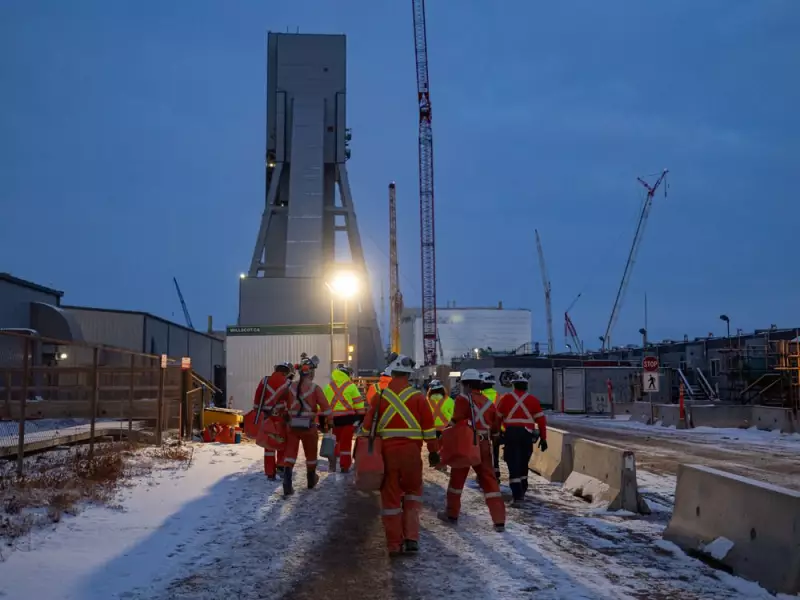
The scale of this undertaking is unprecedented in Canadian potash mining, with the completed 30-storey headframe dominating the Saskatchewan landscape and the mine covering an area approximately three kilometres by six kilometres.
Production Capacity and Market Impact
The first phase of the Jansen mine is projected to produce 4.3 million tonnes of potash annually, with the second phase expected to nearly double output to approximately 8.5 million metric tonnes when it begins production in 2031. This represents the single largest investment in BHP's corporate history and stands as an unparalleled development within Canada's potash sector.
Financial markets reacted to the cost increase announcement with BHP's stock value declining by approximately two per cent on Tuesday, dropping from US$32.9 to US$32.18. This decline occurred despite the company's stock having risen nearly 21 per cent over the previous six-month period leading up to the announcement.
The Jansen potash mine continues to represent both a monumental engineering challenge and a strategic investment for BHP as the company navigates complex construction realities while maintaining its vision for long-term industry leadership in Saskatchewan's resource sector.