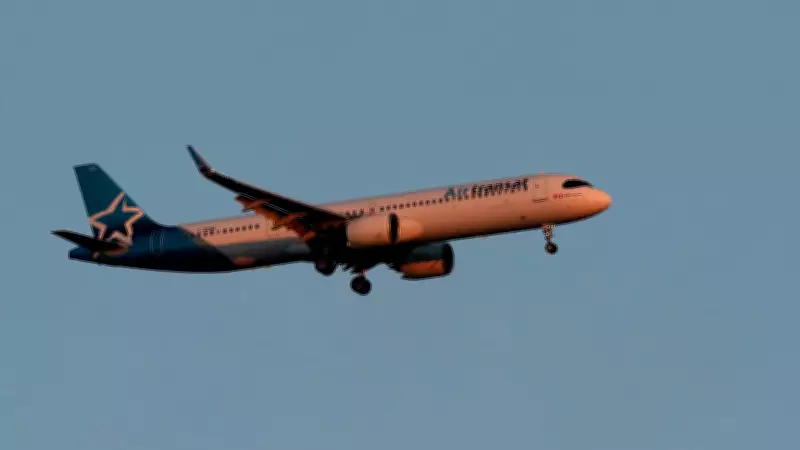
Airbus missed profit estimates for the first quarter of 2026 as the European aerospace giant grappled with persistent engine supply chain issues that slowed aircraft deliveries. The company reported adjusted earnings before interest and taxes of €1.2 billion, falling short of analyst expectations of €1.4 billion.
Delivery Slowdown
Airbus delivered 127 commercial aircraft in the first quarter, down from 145 in the same period last year. The shortfall was primarily attributed to a shortage of engines from suppliers, including Pratt & Whitney and CFM International. The engine crunch has been a recurring problem for Airbus and rival Boeing, disrupting production schedules and delaying deliveries to airlines.
Revenue and Outlook
Revenue for the quarter declined 5% to €12.8 billion, as fewer deliveries offset higher prices on new orders. Airbus reaffirmed its full-year delivery target of 800 aircraft, but warned that the engine supply situation remains "challenging." The company also noted that geopolitical tensions and inflation continue to pressure costs.

Chief Executive Officer Guillaume Faury said in a statement: "We are working closely with our engine partners to mitigate disruptions and ramp up production. The demand for our aircraft remains strong, but we must navigate these supply constraints carefully."
Market Reaction
Shares of Airbus fell 2.5% in early trading on the Paris stock exchange following the earnings release. Analysts at Jefferies downgraded the stock to "hold," citing near-term headwinds from engine delays and potential order cancellations.
Despite the profit miss, Airbus secured 210 net new orders in the first quarter, led by demand for the A321neo and A330neo models. The company's backlog stands at a record 8,600 aircraft, valued at over €600 billion.
Industry Context
The engine crunch is part of broader supply chain disruptions affecting the aerospace industry since the pandemic. Pratt & Whitney's geared turbofan engines have faced durability issues, while CFM's LEAP engines have experienced production bottlenecks. Both suppliers are investing in capacity expansions, but relief is not expected until late 2026 or 2027.
Airbus also faces challenges from rising raw material costs and labor shortages, particularly in its German and French factories. The company is hiring 6,000 new workers this year to support production ramp-up.