U.S. Treasury Secretary Indicates 15% Tariff Hike Likely This Week
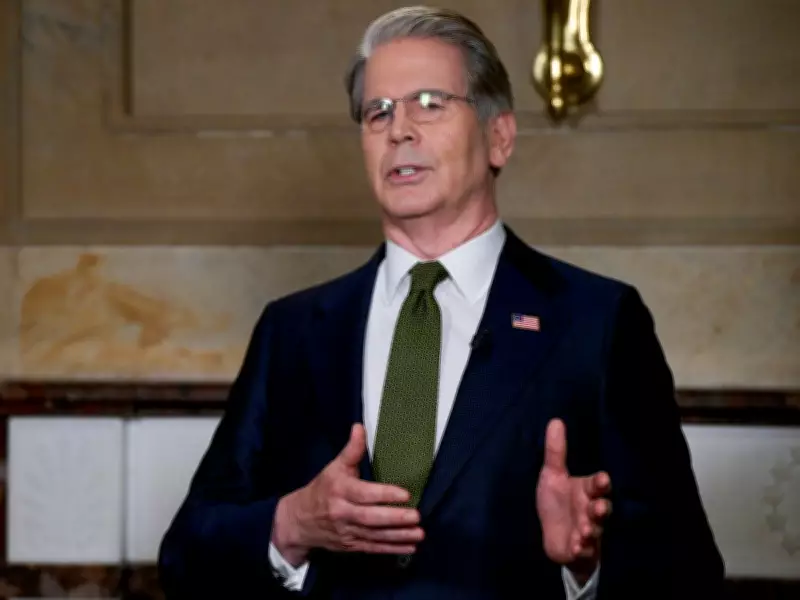
U.S. Treasury Secretary Scott Bessent has provided the clearest timeline yet for President Donald Trump's proposed tariff increase, stating that a hike from 10% to 15% will likely be implemented this week. Bessent made these remarks during a Wednesday interview on CNBC, responding directly to questions about when the administration would follow through on Trump's pledge.
Background on Tariff Implementation
Last month, President Trump imposed a universal 10% tariff after the Supreme Court invalidated most of his previous tariff regime. Shortly after implementing this initial levy, Trump threatened to increase the rate to 15%, creating uncertainty in global markets about the timing and scope of these measures.
The administration allowed the 10% charge to take effect without immediately implementing the higher rate. U.S. Trade Representative Jamieson Greer suggested last week that the 15% increase might not apply universally across all trading partners. According to sources familiar with the matter, the European Union expects to be exempt from the higher duty due to its existing framework trade agreement with Washington.

Legal Constraints and Future Plans
During his CNBC appearance, Bessent did not specify which trading partners would be subject to the increased tariff rate. He noted that the legal authority for these new duties only allows them to remain in place for 150 days without congressional approval. During this period, administration officials plan to use other legal powers to resurrect the tariff regime that existed prior to the Supreme Court's ruling.
"It's my strong belief that the tariff rates will be back to their old rate within five months," Bessent stated. "They are very slow moving, but they are more robust," he added, referring to the Section 301 and Section 232 tariffs expected to replace the invalidated duties that were implemented under emergency legislation.
Market Reactions and Additional Context
U.S. stock futures erased gains following Bessent's comments about the impending tariff increase, though the S&P 500 advanced after trading opened in New York. The Treasury Secretary's remarks provided markets with their most concrete indication yet of when the administration would implement the controversial trade measure.
Bessent also addressed unrelated economic concerns during the interview, downplaying risks to the oil market from ongoing conflicts in the Middle East. He emphasized that global crude supplies remain ample and that the Trump administration would take steps to support the energy sector.
"I would encourage everyone to look through the noise and see where we are going on the other side of this in terms of the crude markets," Bessent said. "The crude markets are very well supplied. There are hundreds of millions of barrels on the water away from the Gulf. But more importantly, we have a series of announcements that we're going to be making."
The Treasury Secretary pointed to previously announced plans for the U.S. government to offer insurance for oil cargo ships when appropriate and for the U.S. Navy to provide safe passage through the Strait of Hormuz. He also highlighted China's particular vulnerability to any disruption in Persian Gulf oil shipments, noting that more than 50% of China's energy comes from that region.
"They've probably been buying 95% of the Iranian crude," Bessent said regarding China's energy imports. "That's obviously on hold right now."