Port of Vancouver Achieves Historic Cargo Milestones Through International Trade Expansion
The Port of Vancouver has reported record-breaking cargo volumes, propelled by a significant surge in overseas trade activities. This achievement underscores the port's pivotal role in strengthening Canada's economic framework and enhancing global supply chain connectivity. The remarkable growth highlights the port's capacity to handle increasing international demands efficiently.
Prime Minister's Inspection Highlights Strategic Importance
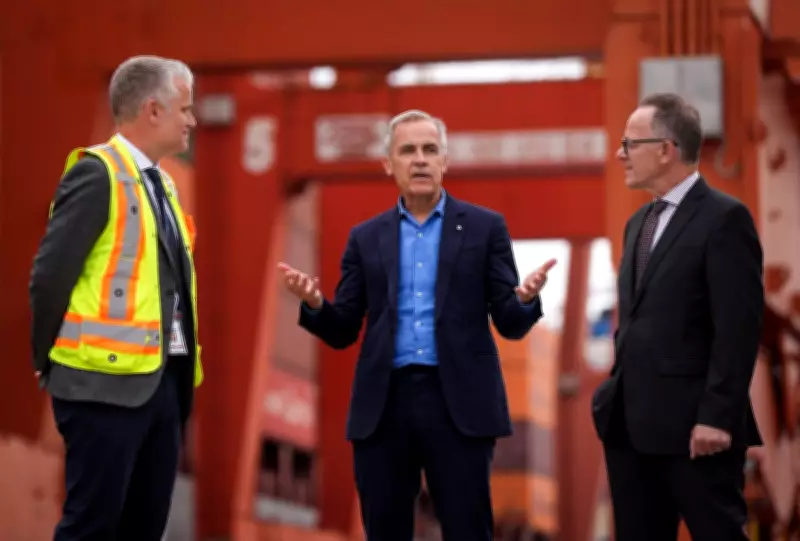
Prime Minister Mark Carney recently conducted a comprehensive tour of the DP World Centerm container terminal, a key facility within the port. Accompanied by Centerm Chief Operating Officer Joel Werner and Vancouver Fraser Port Authority CEO Peter Xotta, the visit emphasized the terminal's operational excellence and strategic significance. The tour, which took place in Vancouver on August 3, 2025, showcased the advanced infrastructure and logistics capabilities that support the port's record performance.
The DP World Centerm terminal is renowned for its state-of-the-art technology and efficient cargo handling processes, which have been instrumental in managing the increased trade flow. This facility plays a crucial role in facilitating the movement of goods between Canada and international markets, contributing to the port's overall success.

Factors Driving the Cargo Volume Increase
Several key factors have contributed to the port's unprecedented cargo volumes. Enhanced trade agreements and global economic recovery have spurred higher demand for Canadian exports, particularly in sectors such as agriculture, natural resources, and manufactured goods. Additionally, the port's strategic location on the Pacific Rim makes it a vital gateway for trade with Asia and other regions.
The Vancouver Fraser Port Authority has implemented numerous initiatives to optimize operations and expand capacity. These include infrastructure upgrades, digitalization of logistics processes, and sustainability measures aimed at reducing environmental impact. Such efforts have improved efficiency and reliability, attracting more shipping lines and boosting cargo throughput.
Economic and Regional Implications
The record cargo volumes have substantial economic benefits for British Columbia and Canada as a whole. They generate significant revenue, create employment opportunities in logistics and related industries, and support local businesses involved in trade. Moreover, the port's success enhances Canada's competitiveness in the global market, positioning it as a reliable partner for international trade.
However, this growth also presents challenges, such as managing increased traffic and ensuring sustainable development. The port authority is actively addressing these issues through collaborative planning with stakeholders and investments in green technologies to minimize ecological footprints.
Future Outlook and Strategic Goals
Looking ahead, the Port of Vancouver aims to sustain its growth trajectory by focusing on innovation and expansion. Plans include further infrastructure developments, such as terminal expansions and enhanced rail connections, to accommodate future increases in trade volumes. The port also prioritizes resilience against global disruptions, such as geopolitical tensions or climate-related events, to maintain its operational stability.
In conclusion, the Port of Vancouver's record cargo volumes, driven by robust overseas trade, mark a significant milestone in Canada's economic landscape. With continued strategic investments and a commitment to excellence, the port is well-positioned to support ongoing trade growth and contribute to national prosperity.