Poilievre Proposes CANZUK Trade Alliance to Strengthen Commonwealth Ties
Conservative Leader Pierre Poilievre has unveiled a comprehensive trade plan aimed at forging closer economic bonds among like-minded Commonwealth nations. In a speech delivered at the 2026 Margaret Thatcher Lecture in London, Poilievre outlined his vision for a strategic alliance between Canada, Britain, Australia, and New Zealand, designed to enhance mutual prosperity and resilience in an increasingly volatile global trade landscape.
Building Economic Bridges with Old Allies
Poilievre emphasized the historical and cultural connections that bind these four nations, advocating for a trade agreement that would eliminate tariffs and reduce regulatory barriers. "Now more than ever, Canada must begin to trade, deeper ties with places like the United Kingdom. One way is through free trade with old friends, strengthen the bonds that we have between us," he stated during his address at Britain's Centre for Policy Studies. The proposal, dubbed CANZUK, seeks to create a seamless economic zone where goods, services, and skilled professionals can move freely across borders.
The Conservative leader highlighted several key components of the plan:

- Critical Minerals and Energy Strategy: Ensuring that critical minerals and energy resources are available to allies at commercial prices without tariffs, particularly in times of conflict.
- Nuclear Energy Cooperation: Exploring opportunities for collaboration in nuclear energy development.
- Liquefied Natural Gas Supply: Signing a supply arrangement with Britain to help meet its future energy needs through Canadian LNG exports.
Addressing Trade Disruptions and Protectionism
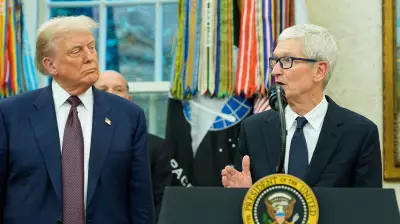
Poilievre's proposal comes at a time when Canada's trade relationship with the United States has deteriorated due to tariffs imposed by President Donald Trump. While the Canada-U.S.-Mexico Agreement provides some protection, uncertainties loom over its future, with issues like dairy and lumber protections potentially hindering renegotiation efforts. "Trade disrupted by U.S. tariffs has created a pressing need for Canada to diversify its economic partnerships," Poilievre noted, underscoring the urgency of his plan.
The CANZUK initiative aims to counteract what Poilievre described as the "twin threats of socialism and protectionism," which he argued risk turning "the wealth of nations into the poverty of the people." By removing barriers, the alliance would lower costs for consumers, boost wages, and create new opportunities for high-skilled workers to address labor shortages across the four countries.
Enhancing Mobility and Regulatory Efficiency
A standout feature of the proposal is its focus on facilitating the movement of professionals and streamlining regulatory processes. Under CANZUK, a doctor, nurse, or engineer licensed in one country could practice in all four, while products approved in one jurisdiction would bypass redundant regulatory measures elsewhere. This approach is designed to foster innovation, reduce bureaucratic delays, and enhance economic competitiveness.
Poilievre argued that stronger domestic economies would translate into greater leverage in international trade negotiations. "Some of that leverage will be for Canada to have a deeper trade with many of our allies, especially the mother country," he explained. "Otherwise put, we need free trade with other free nations." He warned that without such alliances, supply chain disruptions could allow less trusted nations to fill gaps, undermining global stability and prosperity.
A Call to Action for Free Trade
In concluding his speech, Poilievre urged a renewed commitment to free trade principles, emphasizing that "warm words about old alliances are not enough" in today's challenging economic environment. "When the treaties and agreements that allow us to trade freely face upheaval, we need to double down and deepen our ties with our old and most trusted friends," he asserted. "Instead of shrinking markets behind tariffs, we should expand opportunities among friends."

The proposal has sparked discussions among policymakers and business leaders, who are evaluating its potential to reshape trade dynamics within the Commonwealth and beyond. As global economic uncertainties persist, Poilievre's vision for a CANZUK alliance represents a bold step toward fostering collaboration and resilience among longstanding allies.