

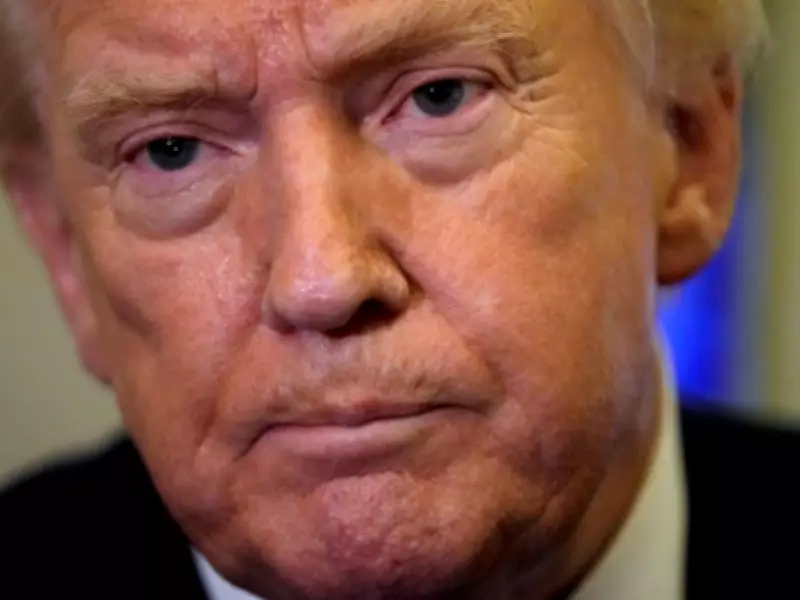
In a significant political rebuke, President Donald Trump's tariff policies have faced their most substantial challenge yet as the Republican-controlled U.S. House voted to pass legislation aimed at terminating the president's levies on imports from Canada. The vote, which occurred on Wednesday, represents a notable escalation in pressure to alter Trump's signature economic strategy just months before critical midterm elections.
Political Pressure Mounts Ahead of Elections
The House's decision forces swing-district Republicans, who are directly impacted by the tariffs, to confront the dilemma of whether to oppose the president's agenda. This move signals growing unease within the Republican Party regarding the White House's economic policies, particularly as affordability becomes a central issue in the upcoming elections. Democrats have seized the opportunity to criticize Republicans who supported the tariffs, accusing them of endorsing policies that raise living costs for their constituents.
Veto Likely but Defections Highlight Tenuous Majority
While President Trump is expected to veto any bill that seeks to repeal his tariff agenda, making it improbable that the measure will become law, the defection of six Republicans—Thomas Massie of Kentucky, Don Bacon of Nebraska, Kevin Kiley of California, Jeff Hurd of Colorado, Dan Newhouse of Washington State, and Brian Fitzpatrick of Pennsylvania—alongside nearly unanimous Democratic opposition underscores Trump's increasingly fragile grip on the narrow House majority. This development complicates Republican efforts to maintain control of both the House and Senate in November, especially as Trump's approval ratings on economic and immigration issues decline.

Primary Election Threats and Broader Implications
Trump has issued stark warnings to Republicans who oppose his tariffs, emphasizing in a social media post that such actions would lead to severe consequences in primary elections. He asserted that tariffs are crucial for economic and national security, urging party loyalty. The vote coincides with Trump's private considerations to potentially withdraw from the Canada-United-States-Mexico Agreement (CUSMA), a move that could exacerbate trade tensions in North America. Currently, about 80 percent of goods imported from Canada are exempt from tariffs under CUSMA criteria.
Democrats Gain Momentum in Recent Elections
Adding to the political dynamics, Democrats have outperformed expectations in several recent elections, including the Miami mayoral race and gubernatorial contests in New Jersey and Virginia. In a notable shift, a traditionally Republican Texas state Senate seat flipped to Democrats with a 31-point swing. These outcomes highlight the challenging environment for Republicans as they navigate primary races ahead of the November elections, where Trump's endorsements carry significant weight.
The House vote not only reflects internal party divisions but also amplifies broader concerns about trade policy and economic stability. As the midterm elections approach, this legislative action sets the stage for intensified debates over Trump's economic legacy and its impact on international relations, particularly with Canada.






