

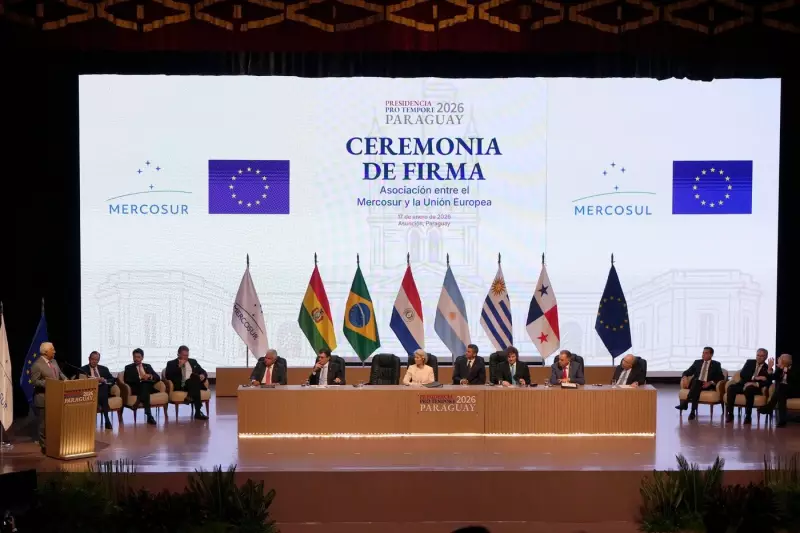
In a significant move set to reshape transatlantic commerce, the European Union and the Mercosur bloc of South American nations have officially signed a landmark free trade agreement. The pivotal signing ceremony took place in Asunción, Paraguay, on Saturday, January 17, 2026.
A New Era of Transatlantic Partnership
This agreement marks one of the most ambitious trade pacts in recent history, linking two major economic regions. Officials from both sides have heralded the deal as a commitment to "join forces like never before," signaling a deepening of political and economic ties between Europe and South America. The pact aims to eliminate the vast majority of tariffs on goods traded between the blocs, which include some of the world's largest economies and consumer markets.
Details and Expected Impact
The deal, years in the making, covers a wide range of sectors including agriculture, industrial goods, and services. For the EU, it promises improved access to South American markets for machinery, vehicles, and chemicals. In return, Mercosur nations—comprising Argentina, Brazil, Paraguay, and Uruguay—are set to gain preferential entry for key exports like beef, soybeans, and ethanol into the European market. The agreement also includes chapters on sustainable development, labor rights, and environmental protection, addressing concerns that have previously stalled negotiations.

Broader Context and Implications
This landmark deal arrives at a time of shifting global trade dynamics and supply chain realignments. By strengthening economic bonds, both blocs aim to reduce dependencies and foster greater resilience. The agreement is expected to boost investment flows and create new opportunities for businesses on both continents. While the signing is a major milestone, the pact must still be ratified by the individual national parliaments of all member states in both the EU and Mercosur, a process that could encounter political hurdles but is now firmly underway.
The successful conclusion of this agreement underscores a mutual desire to champion multilateral trade and economic cooperation on the world stage, setting a new benchmark for future international partnerships.






