

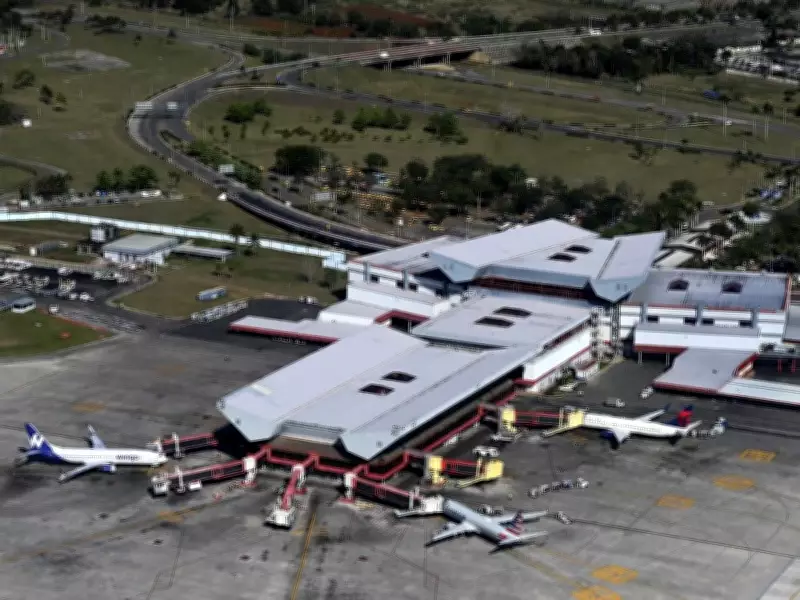
Cuba's Aviation Fuel Crisis Intensifies with Refueling Suspension at Key Airport
The Cuban government has issued a stark warning to international airlines, informing them that refueling will be unavailable at Havana's primary airport for the next month. This critical development comes in direct response to former U.S. President Donald Trump's threats to impose tariffs on any nation supplying oil to Cuba, exacerbating the island's already precarious fuel situation.
Immediate Impact on Air Travel and Tourism
According to a notice from the Federal Aviation Administration, A-1 jet fuel will not be accessible at Jose Marti International Airport from Tuesday through March 11. This suspension poses a significant risk to Cuba's vital airline services, which are operated by carriers from the United States, Canada, Europe, and Latin America. The fuel supply situation has been described as critical by Kremlin spokesman Dmitry Peskov, though Russia has not confirmed plans to provide oil products to Cuba.
Russia's largest airline, Aeroflot, has already cancelled its commercial flight to Cuba and suspended all flights to the island until late March. Instead, the airline sent an empty plane to retrieve approximately 4,500 stranded Russian tourists currently vacationing in Cuba. This disruption highlights the immediate consequences for Cuba's tourism industry, a crucial source of hard currency for the government.

Broader Geopolitical and Economic Pressures
The aviation fuel crisis is unfolding against a backdrop of increasing U.S. pressure aimed at destabilizing the communist regime in Havana. In early January, Washington effectively cut off fuel shipments to Cuba from its top ally, Venezuela, by extraditing socialist leader Nicolas Maduro to face trial in New York. This move has severely constrained Cuba's access to essential petroleum products.
Meanwhile, Nicaragua has altered its immigration rules to block Cuban citizens from entering without a visa, closing an important escape valve for migrants. This change comes as nearly one in five Cuban residents has fled the island over the past decade amid a worsening economic crisis, further isolating the nation.
Historical Context and Contingency Measures
In previous periods of economic distress, such as after the fall of the Soviet Union in the 1990s, airlines adjusted their schedules to refuel in alternative locations like Mexico or the Dominican Republic. However, the current situation is compounded by broader geopolitical tensions and stricter international sanctions.
The Cuban government has unveiled a series of contingency measures to address the crisis, including:
- Reducing public transportation routes to conserve fuel
- Shortening the work week to Monday through Thursday
- Moving some university classes online to minimize travel
- Consolidating tourists into fewer hotels by shutting down resorts
These steps aim to capture as much external revenue as possible during the high tourism season while managing scarce resources.
Humanitarian and Economic Implications
Beyond tourism, the fuel shortage threatens the flow of essential goods to the cash-strapped island. Travelers often act as mules, importing food, medication, and consumer goods in their luggage on commercial flights. This informal supply chain is now at risk, potentially worsening living conditions for Cuban citizens.
The government in Havana has expressed openness to talks with the United States but insists that its one-party system is not negotiable. As the crisis deepens, the international community watches closely to see how Cuba navigates these multifaceted challenges, balancing geopolitical pressures with domestic survival strategies.






