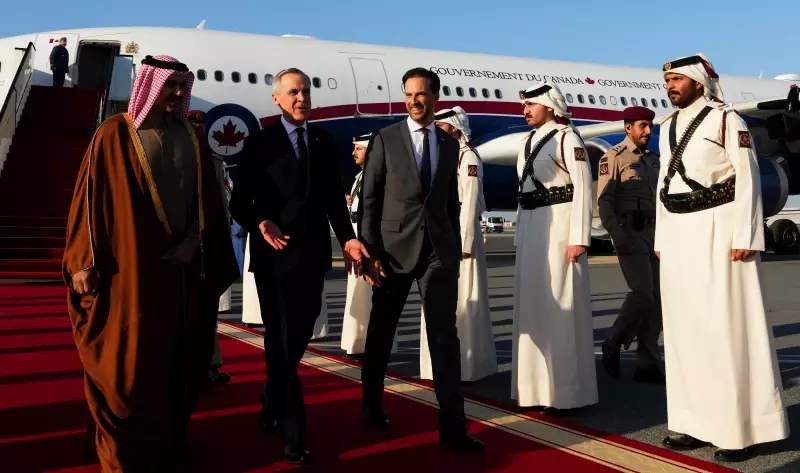
In a significant diplomatic move, Prime Minister Mark Carney has become the first sitting Canadian head of government to conduct an official visit to the State of Qatar. The visit, which took place on January 17, 2026, underscores a strategic push to broaden Canada's economic partnerships beyond its traditional allies.
A Strategic Pivot in Foreign Policy
The landmark trip is centered on high-stakes negotiations covering trade, investment, and geopolitical leverage. According to political commentator Scott Reid, the discussions are a clear signal of Canada's intent to diversify its economic interests and reduce its heavy reliance on the United States. This shift comes as global supply chains reconfigure and nations seek new, resilient partnerships.
While the core talks focus on mutual economic benefit, the visit has not been without controversy. Qatar's human rights record has been described by some critics as "brutal," raising questions about the balance between economic pragmatism and diplomatic principles. The Prime Minister's office has framed the engagement as a necessary step in securing Canada's future prosperity in an increasingly multipolar world.

Broader Context of Economic Diversification
This foreign policy maneuver aligns with other recent developments in Canadian trade. Notably, Saskatchewan Premier Scott Moe and canola farmers have hailed a new trade deal with China as "very good news," highlighting a parallel effort to secure agricultural exports. Furthermore, a source revealed that Canada informed the United States of its plan to drop tariffs on Chinese electric vehicles, indicating a broader recalibration of trade strategy.
The push for diversification extends beyond Asia and the Middle East. Reports also indicate that the European Union and South American countries are forging a new trade pact to "join forces like never before," a development that places additional pressure on Canada to secure its own competitive agreements.
Implications and Domestic Reactions
The Prime Minister's visit to Qatar is more than a symbolic first; it is a concrete action with potential long-term consequences for the Canadian economy. Success in these negotiations could open doors for Canadian businesses in sectors like energy, technology, and infrastructure within the Gulf region. However, it also requires navigating complex international relations and addressing domestic concerns over partnering with nations whose governance models differ sharply from Canada's.
This strategic pivot occurs against a backdrop of internal economic anxieties, particularly in Western Canada, where sentiments of separation have been fueled by concerns over representation and resource policy. The government's international trade strategy is thus deeply intertwined with its domestic nation-building project.
As Prime Minister Carney engages with Qatari leaders, the outcome of these talks will be closely watched by investors, diplomats, and political analysts. The visit marks a definitive moment in Canada's ongoing effort to carve out a more independent and diversified economic path on the world stage.