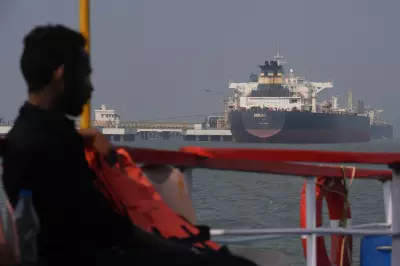
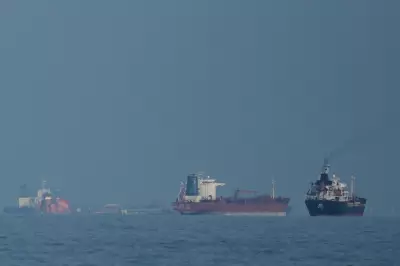
In a counterintuitive twist for global markets, the price of crude oil has fallen significantly since Russia's invasion of Ukraine, dropping from approximately US$100 to around US$60 per barrel. This decline, driven by perceived oversupply and tempered demand, may be a temporary illusion masking powerful forces primed to send prices soaring once again.
The Geopolitical Blind Spot
Markets have consistently proven poor at pricing political risk, a reality underscored by recent events. Major protests in Iran and threats of U.S. military action caused only minor price fluctuations, while fears of a transatlantic trade dispute quickly flattened any gains. This inability to accurately model one-off political events creates a volatility that many traders are currently underestimating. The initial reaction to potential U.S. control of Venezuelan oil, for instance, was a 1.8 per cent price increase due to market uncertainty, not the drop one might expect from added supply.
Hidden Drivers: Stockpiling and Peak Production
Beneath the surface of bearish sentiment, critical dynamics are at play. China is buying record volumes of crude to build its strategic petroleum reserve, a move analysts see as a hedge against America's increasingly resource-focused national security strategy. Simultaneously, the world's oil supply is facing a structural crunch. A September report from the International Energy Agency (IEA) revealed a stark reality: by 2024, about 80% of global oil and 90% of natural gas production came from fields past their peak. Without massive new investment, production from existing fields is set to peak and decline rapidly.

A Contradictory Market Outlook
The long-term supply picture is colliding with a demand scenario that remains stubbornly robust. Many nations, led by the United States, are backpedaling on clean energy commitments, suggesting oil demand will continue to grow. This brewing supply-demand mismatch starkly contrasts with the current market mood. Hedge funds hold an exceptionally bearish net long position in oil compared to recent years, and the consensus for the coming year remains pessimistic. Traders cling to a "just in time" mentality, seemingly blind to the "just in case" risks gathering on the horizon.
Furthermore, new supply sources like Venezuela are not a near-term solution. Despite political pressure, energy majors are hesitant to commit the tens of billions of dollars required, a process that would take at least a decade to bring significant new oil to market. The convergence of strategic stockpiling, declining production from mature fields, and sustained demand creates a potent recipe for higher prices, suggesting today's low prices may be the great head fake before a significant market correction.