A renewed push by the United States to increase oil production in Venezuela is fraught with significant risks and faces a long, uncertain timeline before yielding substantial results, according to expert analysis. The strategy, aimed at stabilizing global energy markets, must navigate a complex web of political instability, infrastructural decay, and environmental concerns.
Geopolitical and Infrastructural Hurdles
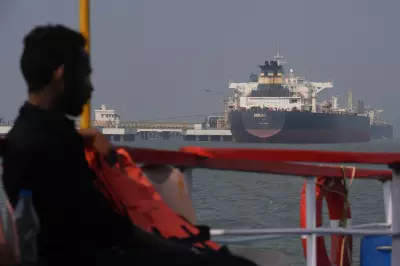
The core challenge lies in Venezuela's deeply troubled oil industry. Years of underinvestment, mismanagement, and international sanctions have left critical infrastructure, like refineries, in a state of severe disrepair. The El Palito refinery, pictured in December 2025, stands as a symbol of this systemic decay. Restoring production to meaningful levels would require massive capital investment, technical expertise, and years of work, not months.
Furthermore, the political landscape remains volatile. While recent diplomatic engagements have occurred, the path toward sustainable and democratic governance is unclear. This uncertainty creates a high-risk environment for any foreign investment or operational expansion. Experts warn that the timeline for a successful, large-scale production increase is measured in years, not quarters.

Environmental and Market Implications
Beyond politics and infrastructure, the nature of Venezuela's oil reserves presents another layer of complexity. A significant portion of the country's resources consists of heavy, extra-heavy crude and bitumen from the Orinoco Belt. This oil is "very dense, very sloppy," as noted in environmental reports, making it more carbon-intensive and expensive to extract and refine compared to lighter crudes.
Boosting production of this type of oil could have negative environmental consequences, conflicting with global climate goals. Additionally, flooding the market with heavy crude would require specific refining capacity, predominantly located in the U.S. Gulf Coast, creating a complex logistical and economic chain that is vulnerable to disruption.
International Reactions and Canadian Context
The U.S. strategy has drawn criticism from various international quarters. Notably, former Brazilian President Lula has condemned U.S. actions in Venezuela, highlighting regional sensitivities. The situation also resonates in Canada, where the domestic energy sector faces its own policy and market challenges.
The analysis underscores that while accessing Venezuelan oil may seem a strategic move for energy security, the practical realities are daunting. The endeavor is a high-stakes gamble requiring a delicate balance of diplomacy, immense capital, and technical overhaul, all while the clock ticks on energy needs and climate commitments. The road from the dilapidated El Palito refinery to significant, stable oil flows is long and perilous.