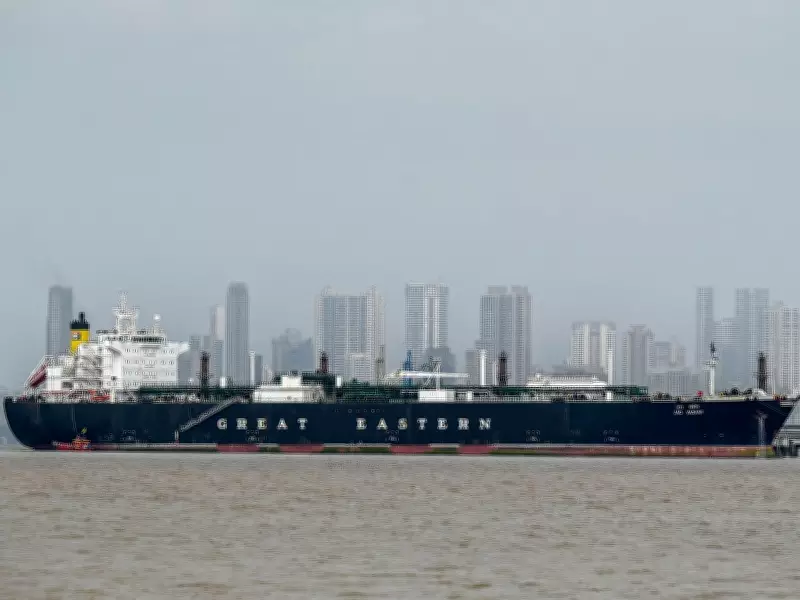
Trump's Middle East Remarks Trigger Oil Price Surge to $111 Per Barrel
Consumers across North America should prepare for sustained higher energy costs as global oil markets react to ongoing Middle East tensions and presidential statements. Benchmark West Texas Intermediate crude experienced a dramatic 11 percent increase on Thursday, closing above US$111 per barrel following remarks from U.S. President Donald Trump regarding the timeline of military operations in the region.
Market Reacts to Presidential Signals
The price surge came after President Trump delivered conflicting messages about when hostilities might conclude. While suggesting on Tuesday that the conflict could end within "maybe two weeks, maybe three," the president later vowed in a televised address to continue "extremely hard" strikes against Iran over the next two to three weeks. This uncertainty has created significant volatility in energy markets.
"The market was expecting Trump to maybe talk about winding down the operation in his address last night, and he didn't really do that," explained Ryan McKay, senior commodity strategist at TD Securities. "We're at least looking at another month or so of disrupted flows, so the market is starting to price that in now. Higher prices are sort of the new normal."

Strait of Hormuz Disruptions Continue
The critical Strait of Hormuz remains a focal point of concern for global energy markets. Since February 28th, when the U.S. and Israel launched air strikes on Iran, West Texas Intermediate crude prices have skyrocketed more than 60 percent. Iran has responded by attacking energy infrastructure in neighboring Gulf states and targeting tankers navigating the strategic waterway, effectively blocking this essential gateway to and from the Persian Gulf.
"The issue is there's no real clear path for how the Strait of Hormuz is going to be secured," noted Rystad Energy senior vice-president Susan Bell. "Unfortunately, consumers are going to feel the pinch because costs are going to go up."
Broader Economic Implications
The energy market turmoil extends beyond crude oil prices, with several concerning developments emerging:
- Gasoline and diesel prices are climbing steadily at pumps across North America
- Input costs for businesses dependent on transportation and energy are rising
- Inflation rates appear poised to increase until normal oil and gas flows resume from the region
- Even if military action concludes soon, experts warn of complications in untangling the aftermath
Energy analysts emphasize that the situation could potentially worsen before showing signs of improvement. The disruption to global energy supplies has created a ripple effect throughout the economy, with transportation, manufacturing, and consumer goods all facing upward price pressure.
As McKay summarized, "Higher prices are sort of the new normal" for the foreseeable future, suggesting that consumers and businesses alike should adjust their expectations and budgets accordingly. The ongoing uncertainty surrounding Middle East tensions and their resolution timeline continues to cast a shadow over global energy markets, with no immediate relief in sight for those feeling the financial impact at the pump and in their monthly bills.