In a significant shift in foreign policy, former U.S. President Donald Trump has called off a planned second wave of military actions against Venezuela. This decision, reported on January 9, 2026, follows a new level of cooperation from the South American nation, including a major commitment to supply the United States with oil.
From Confrontation to Cooperation
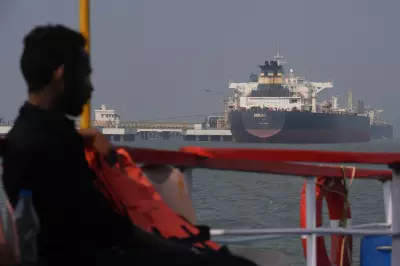
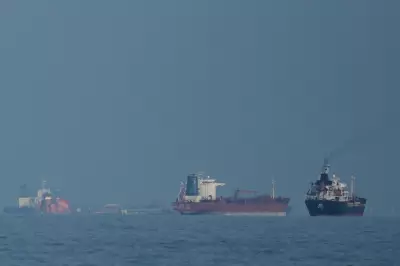
The initial phase of U.S. operations in Venezuela, which included the seizure of two more oil tankers, appeared to set the stage for further escalation. However, diplomatic channels yielded a tangible concession from Nicolas Maduro's regime. According to Trump, Venezuela is now providing between 30 and 50 million barrels of oil to the United States. This substantial energy transfer directly influenced the decision to halt the planned attacks, marking a pivot from military pressure to economic negotiation.
Analysts note that while international oil companies remain hesitant due to the political instability under Maduro, they are demonstrably interested in Venezuela's vast reserves. The situation creates a complex waiting game, where political stability is the final hurdle for full-scale foreign investment and development.

Implications for Canadian Energy and Policy
The unfolding events in Venezuela carry direct implications for Canada. Energy security analysts are drawing parallels, suggesting that the Venezuelan situation underscores the strategic importance of domestic energy resources. "What's happening in Venezuela underscores everything the PM is doing," one analyst stated, pointing to the need for Canada to secure and develop its own energy infrastructure and supply chains.
The deal between the U.S. and Venezuela could alter global oil flows and market dynamics, potentially affecting Canadian energy exports. It also highlights the geopolitical leverage that resource-rich nations can wield, reinforcing debates in Canada about the role of its oil and gas sector in national and continental security.
A Fragile Status Quo
Despite this new cooperation, the fundamental political crisis in Venezuela remains unresolved. Maduro's regime retains power, and the long-term viability of any agreement is fraught with uncertainty. The U.S. strategy appears to be a blend of continued operational pressure—as seen with the ship seizures—coupled with economic incentives.
For now, the cancellation of military strikes represents a temporary de-escalation. The focus shifts to whether the oil-for-stability bargain will hold and if it can lead to broader political negotiations. For observers in Canada and allied nations, the situation serves as a stark reminder of how global energy politics can rapidly shift, influencing everything from foreign policy to domestic economic planning.