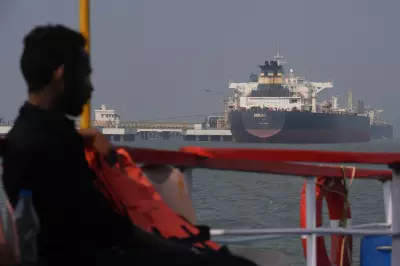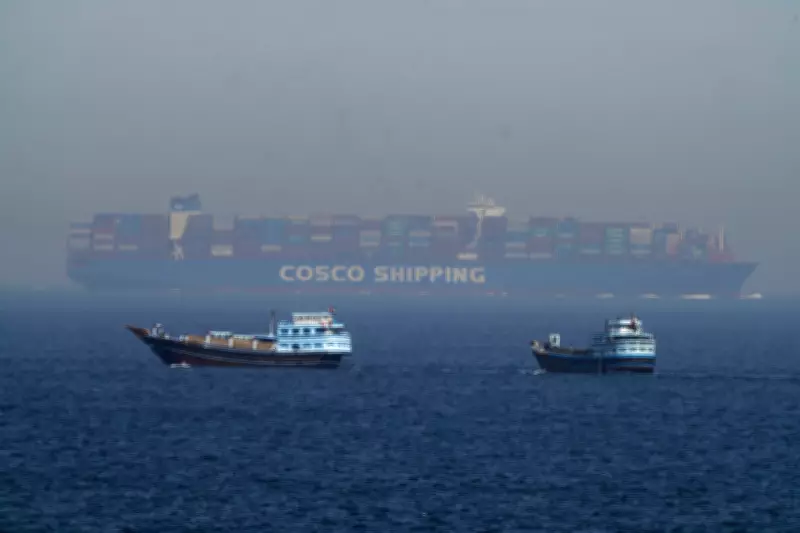
The Strait of Hormuz, a narrow and strategically vital maritime passage located between the Persian Gulf and the Gulf of Oman, has once again captured global attention due to escalating tensions in the Middle East. This critical waterway serves as a primary conduit for the world's oil supply, and any disruption to its traffic can send shockwaves through international energy markets.
Why the Strait of Hormuz Matters
Approximately one-fifth of the world's total oil consumption flows through the Strait of Hormuz daily. This includes a significant portion of the crude oil exported by major producers such as Saudi Arabia, Iraq, the United Arab Emirates, and Iran itself. The strait is so narrow at points that tanker traffic must navigate carefully through designated shipping lanes, making it vulnerable to blockades, military conflicts, or geopolitical instability.
Recent Events and Market Impact
In early March 2026, oil prices experienced a sharp increase following reports that the widening war in Iran was disrupting tanker movements through the strait. This event underscored the fragility of global energy supply chains and how dependent they are on this single geographic bottleneck. Analysts warn that prolonged disruptions could lead to severe economic consequences, including higher fuel costs for consumers and industries worldwide.

Geopolitical Significance
The Strait of Hormuz has long been a flashpoint in international relations. Its control is contested by regional powers, and it has been the site of numerous naval incidents over the decades. The United States and other nations often patrol the area to ensure freedom of navigation, but tensions can escalate quickly, as seen in recent conflicts involving Iran.
Global Energy Security Concerns
The reliance on the Strait of Hormuz poses significant risks to global energy security. Alternative routes for oil transport are limited and often more expensive. This dependency highlights the need for diversified energy sources and improved infrastructure to mitigate the impact of potential closures or attacks on this vital passageway.
In summary, the Strait of Hormuz remains an indispensable artery for the global economy, and its stability is crucial for maintaining steady oil supplies and preventing market volatility. As geopolitical tensions in the region continue, the world watches closely, aware that the strait's fate could directly influence energy prices and economic stability across continents.