Saskatchewan Drivers Face Rising Fuel Costs Following Iran Conflict
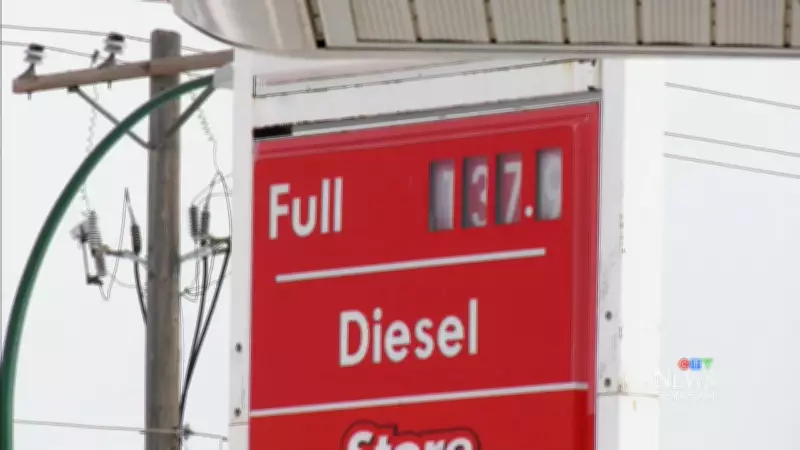
Saskatchewan residents are bracing for higher gasoline prices as global oil markets experience volatility due to escalating conflict in Iran. This development comes amid a series of regional news stories, including police actions in Vaughan and Rexdale, a Toronto synagogue incident, and Mounties' drug seizures in Langford, B.C. However, the immediate concern for many Saskatchewan drivers is the direct impact on their daily commutes and transportation budgets.
Global Tensions Trigger Local Economic Effects
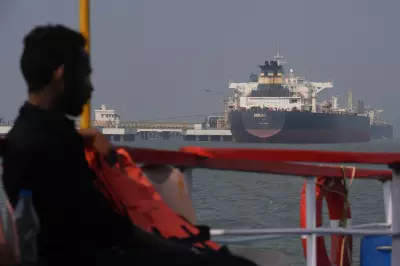
The confirmation of "another hit today on new leadership" in Iran by former U.S. President Donald Trump has sent shockwaves through international oil markets. As a major oil-producing region, Saskatchewan is particularly sensitive to these global price fluctuations. While the province enjoys domestic production, its fuel prices are closely tied to international benchmarks that respond rapidly to geopolitical instability.
This situation unfolds against a backdrop of other provincial developments, including Alberta Premier Danielle Smith's comments on provincial sales tax proposals, First Nations-led protests in Nova Scotia over budget cuts, and various local crime reports across Canada. Yet for Saskatchewan households, the rising cost of filling their tanks represents a tangible economic pressure point.

Broader Context of Canadian Energy Dynamics
The potential for sustained higher fuel prices emerges as Canada navigates multiple energy-related challenges. The S&P/TSX composite recently dropped more than 800 points while oil prices climbed higher, reflecting market nervousness. Meanwhile, discussions about electric vehicles and green technology continue across the country, though these alternatives remain inaccessible for many rural Saskatchewan residents who depend on conventional vehicles for transportation.
Other national stories include Ticketmaster's legal proceedings in New York, cybersecurity warnings from Canadian intelligence agencies, and various sports achievements, but the economic reality of higher fuel costs cuts across all these narratives for Saskatchewan consumers.
Immediate Impacts on Saskatchewan CommunitiesLocal drivers are already expressing concerns about how increased transportation costs will affect their household budgets. This comes as Canadians nationwide face infrastructure challenges, with some asking "Do I need to add pothole insurance?" due to extreme weather damage to roads. The timing is particularly difficult as many Saskatchewan residents prepare for spring activities and potential travel.
The situation in Iran has prompted Russia to state it has seen no evidence that Iran was developing nuclear weapons, adding another layer to the complex geopolitical landscape affecting global oil supplies. For Saskatchewan, which relies heavily on both personal and commercial transportation across its vast geography, even modest fuel price increases can have significant economic consequences.
Looking Ahead: Market Uncertainty Prevails
Energy analysts suggest that the volatility in oil markets may persist as the conflict in Iran continues to evolve. Saskatchewan drivers should anticipate fluctuating prices at the pump in the coming weeks, with potential for further increases if tensions escalate. This development serves as a reminder of how interconnected global events have direct local consequences, even in Canada's prairie provinces.
While other news captures attention—from hockey officials returning from the Olympics to a "transformative" development coming to Stonewall—the practical reality of higher fuel costs remains a pressing concern for Saskatchewan families and businesses alike as they navigate this period of economic uncertainty.