Think Tank Advocates for Accelerated Quebec LNG Development to Seize European Opportunity
A prominent free-market think tank is urging Canadian authorities to expedite approval for a proposed liquefied natural gas (LNG) project in Quebec, positioning it as a strategic gateway to Europe's evolving energy market. The Montreal Economic Institute (MEI) released a comprehensive report arguing that Canada must act swiftly to capitalize on Europe's shifting gas supply landscape.
Europe's Energy Reconfiguration Creates Opening for Canadian LNG
The MEI report highlights that Europe's "looming reconfiguration of gas supplies" presents a significant opportunity for Canadian energy exports. Since severing ties with Russia following its 2022 invasion of Ukraine, European nations have been actively diversifying their natural gas sources. The continent's traditional supply mix has undergone substantial transformation, creating openings for new market entrants.
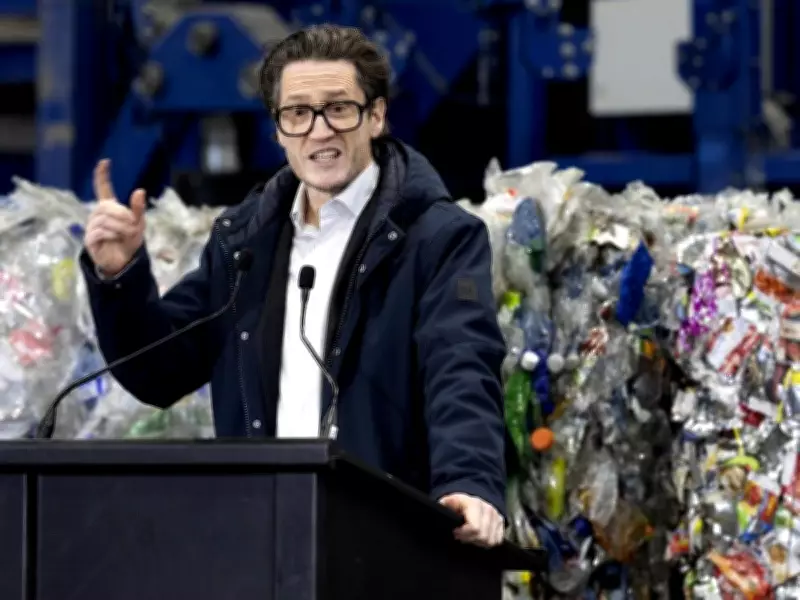
Gabriel Giguère, senior policy analyst at MEI and author of the report, emphasized the timing is critical. "The Marinvest project arrives at a critical juncture, with Europe looking not only to replace its Russian natural gas supply, but also its supply from Norway, which is anticipating a drop in production," Giguère stated.

Strategic Advantages of Quebec-Based LNG Facility
The proposed project, spearheaded by Norwegian multinational Marinvest, would establish a major liquefaction plant and marine export terminal on Quebec's northeast coast. According to the MEI analysis, this location offers distinct competitive advantages:
- Geographic proximity to high-capacity import terminals in Western Europe
- Shorter shipping distances compared to U.S. Gulf Coast and Qatari export hubs
- Potential to supply approximately 6.2% of total European LNG imports
- Estimated annual revenue generation of roughly US$2.5 billion
Giguère noted that the Quebec facility's strategic positioning could give Canada a significant foothold in Europe's US$40-billion LNG market at a time when traditional suppliers face challenges.
Competitive Pressure and Regulatory Considerations
The report warns that Canada faces increasing competition from other global producers already moving to fill Europe's supply gap. Qatar, for instance, secured a 15-year LNG supply agreement with Germany in 2022, committing to deliver 2 million tons annually with shipments beginning this year.
To remain competitive, Giguère recommends expediting the Marinvest project through federal major projects legislation and similar priority legislation currently under consideration in Quebec's National Assembly. The analyst also suggests Quebec would need to reconsider its 2022 ban on oil and gas exploration and production for the project to proceed.
"I truly believe Marinvest could be a pivotal turning point for Quebec's economy and the way we approach developing our natural resources," Giguère asserted, highlighting the project's potential economic impact.
Project Background and Scale
Marinvest announced in July 2025 its pursuit of a "mega LNG project" in northeastern Quebec. The initiative is expected to mirror the scale of the previously proposed $14-billion GNL Quebec project, which provincial regulators rejected in 2021 following an extensive six-year review process.
The MEI report arrives as European nations continue seeking stable, diversified energy sources amid geopolitical uncertainties and declining production from traditional suppliers like Norway, where hydrocarbon output has already peaked and is projected to decrease by approximately 30% over the coming decade.