How a Four-Decade-Old Missing-Person Report Solved a Canadian Cold Case
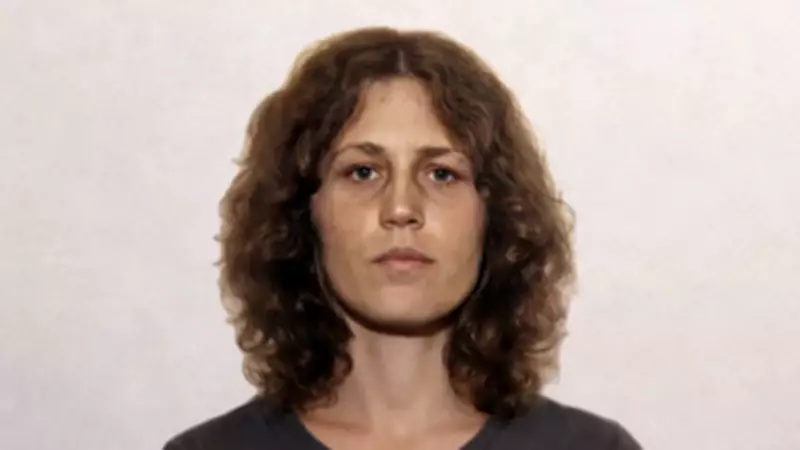
In a remarkable development that underscores the enduring power of persistence and modern forensic science, a missing-person report filed more than forty years ago has played a pivotal role in identifying human remains discovered in Canada. This case, involving the long-missing Canadian woman Jeanette Marcotte, demonstrates how even the oldest of cases can be brought to closure with dedicated investigative work and technological advancements.
The Breakthrough in Identification
The identification process was initiated after authorities revisited the decades-old report concerning Jeanette Marcotte, whose disappearance had remained unresolved. By leveraging contemporary forensic techniques, including advanced DNA analysis and digital databases, investigators were able to match the remains to Marcotte, providing answers to a mystery that had lingered for generations. This success highlights the critical importance of maintaining and updating missing-person records, as they can serve as key references in future investigations.
Advances in Forensic Technology
The resolution of this case is largely attributed to significant progress in forensic technology over the past few years. Methods such as genetic genealogy and enhanced DNA sequencing have revolutionized the field, enabling authorities to identify remains that were previously considered unidentifiable. These tools not only aid in solving cold cases but also offer hope to families seeking closure for their missing loved ones.

Implications for Future Investigations
This identification sets a precedent for how law enforcement agencies across Canada can approach similar cold cases. It emphasizes the need for:
- Ongoing collaboration between forensic experts and investigative teams.
- Investment in technological resources to support identification efforts.
- Public awareness campaigns to encourage the reporting of missing persons, even after long periods.
By learning from this case, authorities can improve their strategies for handling unresolved disappearances, potentially leading to more identifications in the future.
A Closure Long Overdue
For the family and friends of Jeanette Marcotte, this identification brings a bittersweet sense of closure after decades of uncertainty. While it confirms a tragic outcome, it also allows them to finally lay their loved one to rest with dignity. This case serves as a poignant reminder of the human stories behind every missing-person report and the profound impact that resolution can have on those left behind.
As forensic science continues to evolve, there is growing optimism that more cold cases across Canada will be solved, offering solace to families and strengthening the justice system's ability to address historical mysteries.