Ottawa Announces Comprehensive National Automotive Strategy with Focus on Electric Vehicles
The federal government is poised to unveil a significant new automotive strategy today, aimed at revitalizing Canada's domestic vehicle manufacturing sector. This comprehensive plan is expected to include enhanced rebates for electric vehicles, alongside measures designed to improve market access and increase the production of Canadian-built automobiles. The announcement comes at a critical juncture for the automotive industry, as global shifts toward electrification and sustainable transportation accelerate.
Key Components of the New Automotive Strategy
The strategy is anticipated to focus on several core areas to strengthen Canada's position in the global automotive market. Boosting the production of Canadian-built vehicles is a primary objective, with incentives and support for manufacturers to expand domestic operations. Additionally, the plan aims to improve market access for these vehicles, both domestically and internationally, through trade agreements and regulatory adjustments.
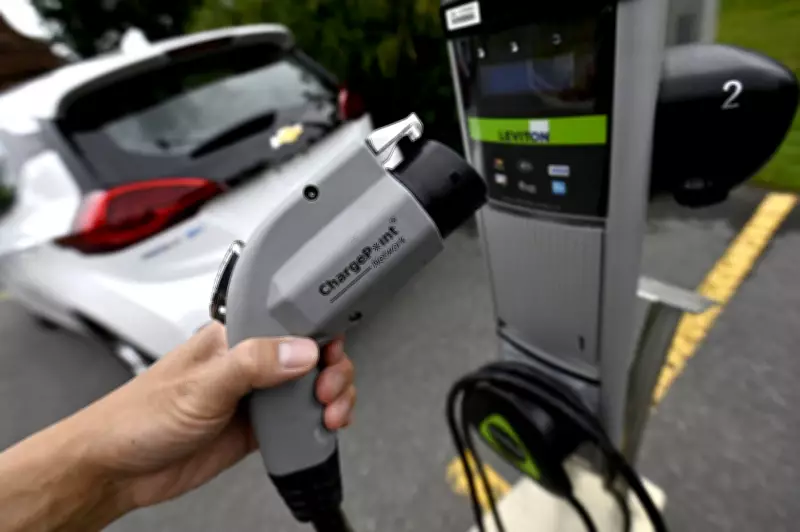
A major highlight of the announcement is the expected introduction of new or expanded electric vehicle rebates. These incentives are designed to make EVs more affordable for Canadian consumers, thereby accelerating the adoption of zero-emission vehicles and supporting climate goals. The rebates may include federal tax credits, purchase incentives, or subsidies for charging infrastructure installation.

Broader Implications for the Canadian Economy and Environment
This automotive strategy is not merely an industrial policy; it has far-reaching implications for Canada's economic and environmental landscape. By prioritizing domestic manufacturing, the government hopes to create and retain high-quality jobs in the automotive sector, which has faced challenges from global competition and technological disruption. The emphasis on electric vehicles aligns with Canada's commitments to reduce greenhouse gas emissions and transition to a low-carbon economy.
The strategy also reflects a proactive approach to securing Canada's role in the future of mobility. As the automotive industry undergoes a profound transformation driven by electrification, automation, and connectivity, this plan aims to ensure that Canadian companies and workers are not left behind. It may include funding for research and development in advanced automotive technologies, such as battery production and autonomous driving systems.
Context and Timing of the Announcement
The release of this national automotive strategy follows months of consultations with industry stakeholders, labor groups, and provincial governments. It comes amid growing global competition in the EV market, with countries like the United States implementing their own incentives through legislation such as the Inflation Reduction Act. Canada's strategy is likely designed to remain competitive and attract investment in this high-stakes sector.
Today's announcement is expected to provide detailed timelines, funding allocations, and specific policy measures. Observers will be watching closely to see how the strategy balances immediate economic support with long-term sustainability goals. The success of this initiative could significantly influence Canada's automotive industry trajectory for years to come, impacting everything from consumer choices to international trade dynamics.