Provinces and Territories Unite for National Electricity Grid Initiative
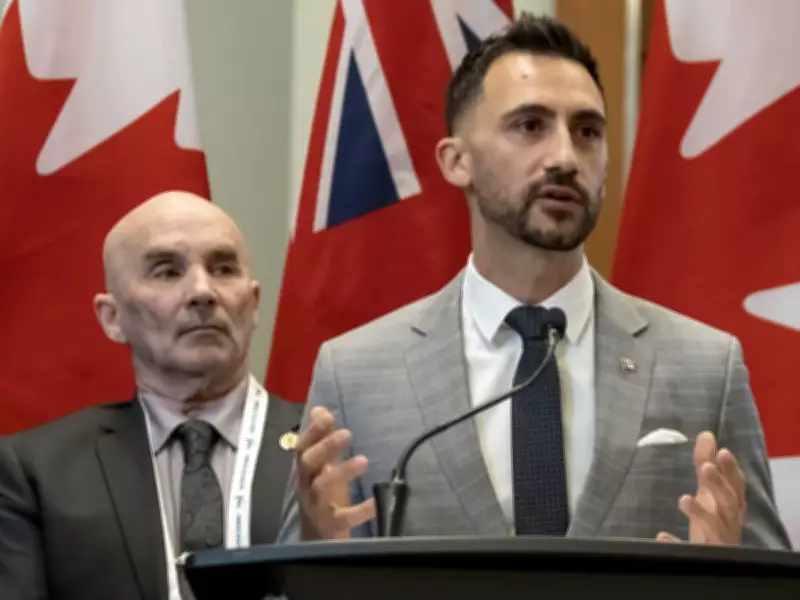
In a significant move toward national energy integration, eight provinces and two territories have formally signed a memorandum of understanding (MOU) to develop cross-country electricity transmission infrastructure. Ontario Minister of Energy and Mines Stephen Lecce announced the agreement during a press conference in Toronto, highlighting the urgent need to connect Canada's currently fragmented power systems.
Addressing Fragmented Grid Infrastructure
Minister Lecce described Canada's existing electricity network as consisting of "13 islands" of separate grids, which were primarily constructed with a north-south orientation toward the United States rather than facilitating east-west connections between Canadian regions. "We know this country's grid was built for a different era, fragmented and disconnected," Lecce stated. "The power flows much easier north-south into the U.S. instead of flowing to each other as Canadians."
The newly signed MOU specifically aims to build national infrastructure and intertie projects that will physically connect provincial and territorial energy grids. Additionally, the agreement seeks to develop intentional policy frameworks that prioritize expanding electricity trade within Canada before exporting power to international markets like the United States.

Participating Regions and Their Motivations
The signatories to this groundbreaking agreement include:
- Ontario
- British Columbia
- Alberta
- Saskatchewan
- Manitoba
- New Brunswick
- Yukon
- Prince Edward Island
- Nova Scotia
- Northwest Territories
Yukon Minister of Energy, Mines and Resources Ted Laking provided a compelling example of why this agreement matters for northern regions. He noted that during an extreme cold snap in December when temperatures plunged to minus 50 degrees Celsius for over a week, Yukon utilized more than 90 percent of its available electricity capacity. "When it gets that cold, industrial customers like mines must disconnect from the grid to ensure we have enough electricity for residents," Laking explained. "In Canada's north, energy security is not a theoretical risk. It is a real and serious vulnerability."
Regional Challenges and Federal Collaboration
New Brunswick Deputy Premier and Minister of Energy René Legacy emphasized the economic challenges of transmission infrastructure, noting that "a kilometre of transmission line costs the same, whether you have 400,000 rate payers or you have four million." His province already maintains transmission interties with Nova Scotia and Prince Edward Island and serves as Atlantic Canada's energy "backstop," but scale remains a significant obstacle for the region.
The agreement will advocate for substantial financial support from the federal government to construct transmission corridors across provincial boundaries. Additionally, signatories are urging Ottawa to develop a comprehensive national strategy for what Lecce described as a "pan-Canadian grid" that effectively connects regions both east-west and north-south.
Quebec's Position and Next Steps
When questioned about Quebec's absence from the agreement, Minister Lecce clarified that the province's government has "expressed support" for the policy direction but emphasizes that energy resources fall under provincial jurisdiction. "We'll respect that they'll sign when they're ready," Lecce stated, "but we believe we're in a much better place where Quebec supports the concept of federal and provincial collaboration to reduce costs and maximize benefits for ratepayers."
With the MOU now established, participating provinces and territories can begin developing detailed implementation strategies that include specific costs, timelines, and technical specifications. "We've got a problem, we've agreed to the problem definition, we agreed to a mechanism to fix it," Lecce summarized. "The next step is for system planners to build the strategy and figure out the intertie connections."

This collaborative initiative represents a significant shift toward greater energy independence and security across Canada, potentially transforming how electricity is generated, transmitted, and consumed nationwide while reducing reliance on cross-border exports to the United States.