White House Observes Gradual Return of Oil Tanker Traffic in Strait of Hormuz
The White House has announced that oil tankers are beginning to slowly resume their passage through the strategically vital Strait of Hormuz, a key maritime chokepoint for global energy supplies. This development comes amid heightened tensions in the Middle East, particularly involving Iran, which have previously disrupted shipping routes and fueled uncertainty in international markets.
A Critical Maritime Corridor Shows Signs of Recovery
Officials described the movement as a "dribble" of vessels, indicating a cautious and incremental return to normalcy rather than a sudden surge. The Strait of Hormuz is one of the world's most important oil transit channels, with approximately one-fifth of global oil consumption passing through its narrow waters. Any disruption here can have immediate and far-reaching effects on energy prices and economic stability worldwide.
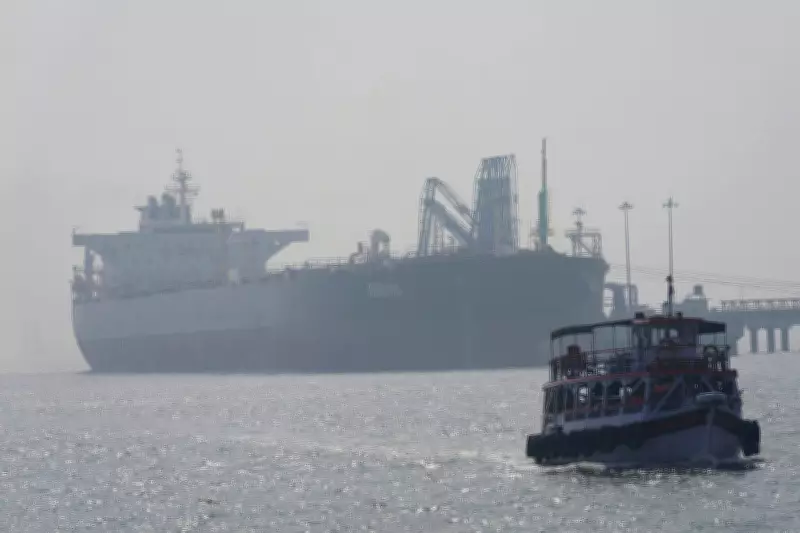
The recent sightings include vessels like the Liberia-flagged Shenlong Suezmax tanker, which was observed carrying crude oil from Saudi Arabia through the strait before arriving at the Mumbai Port in India earlier this month. This visual evidence underscores the gradual reopening of this essential route, though traffic levels remain below typical volumes.

Global Energy Markets on Edge Amid Ongoing Conflict
The resumption of tanker traffic occurs against a backdrop of persistent conflict in the region, which has already triggered significant volatility in energy markets. For instance, gas prices in Metro Vancouver have surged recently, partly attributed to the Iran conflict exacerbating global uncertainties. Similar price spikes and supply concerns have been reported in other regions, highlighting the interconnected nature of modern energy economies.
International leaders, including figures like Mark Carney and Keir Starmer, have expressed deep concern over the Iran war's impact on shipping routes. The disruption not only threatens energy security but also has broader implications for trade and geopolitical stability. Canada, while monitoring the situation closely, has indicated no immediate plans for offensive engagement in the Middle East, focusing instead on diplomatic and humanitarian support.
Broader Implications for Trade and Security
The slow return of tankers through the Strait of Hormuz is a positive sign, but experts warn that the situation remains fragile. Continued monitoring and international cooperation are essential to ensure safe passage and prevent further escalations. The White House's announcement serves as a tentative indicator of improving conditions, yet the underlying tensions that caused the initial disruptions persist.
In related business news, companies like Mastercard are making significant moves, such as acquiring stablecoin infrastructure firm BVNK for up to $1.8 billion, reflecting ongoing financial sector adaptations. Meanwhile, in the automotive industry, discussions around HOV lane policies in Ontario and new auto sector announcements by political figures like Pierre Poilievre underscore the diverse economic landscape interacting with these global energy developments.
As the world watches the Strait of Hormuz, the gradual resumption of oil tanker traffic offers a glimmer of hope for stabilized energy supplies. However, with conflicts still simmering and markets on edge, the path to full recovery remains uncertain and dependent on sustained diplomatic efforts and regional stability.