Oil Rally Intensifies Amid Escalating Middle East Conflict
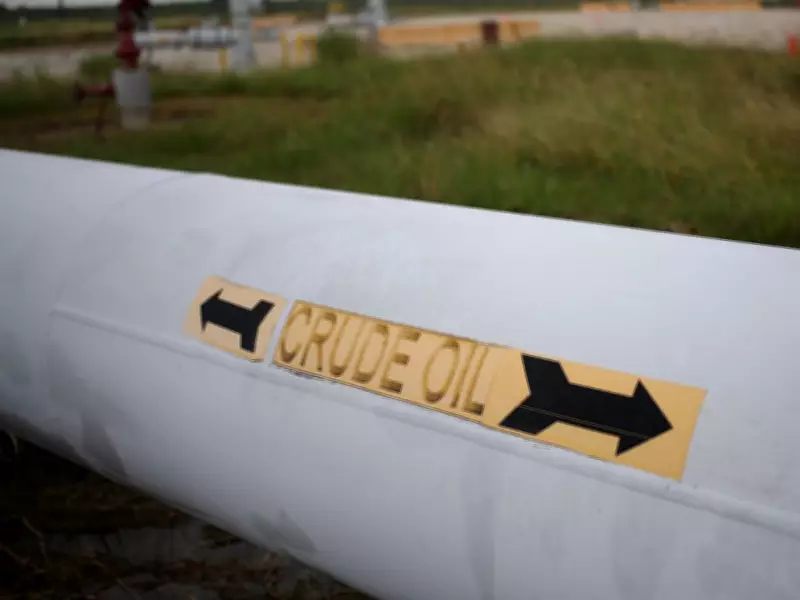
Global oil markets are experiencing significant volatility as military actions between the United States, Israel, and Iran continue to escalate, directly impacting critical energy infrastructure and shipping routes in the Persian Gulf region. The conflict has triggered a sharp increase in crude prices, with Brent crude surging as much as 18% over just two trading days, briefly surpassing US$85 per barrel for the first time since July 2024.
Shipping Disruptions and Infrastructure Attacks
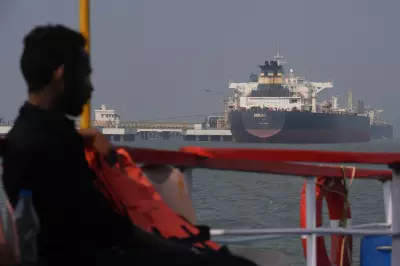
The strategic Strait of Hormuz, which handles approximately one-fifth of the world's oil shipments, has seen maritime traffic grind to a near standstill following threats from Iranian military advisors. An Islamic Revolutionary Guard Corps adviser explicitly warned that forces "will set fire to any ship attempting to pass through" the crucial waterway, creating immediate disruptions to global energy flows.
Simultaneously, multiple energy facilities have come under attack. A major fire erupted at the United Arab Emirates oil-trading hub of Fujairah after debris from an intercepted drone struck the facility. Saudi Arabia's state-owned Aramco was forced to halt operations at its Ras Tanura refinery following a separate drone strike, while Qatar suspended production at the world's largest liquefied natural gas export facility after it was targeted in an Iranian attack.

Market Reactions and Economic Implications
The rapid price increases have sent shockwaves through global financial markets, with stocks and bonds declining as traders assess the conflict's potential duration and economic impact. Diesel prices experienced particularly dramatic movements, leaping as much as 19% at one point during Tuesday's trading session. European natural gas prices have soared almost 80% this week as the conflict disrupts LNG shipments through the Persian Gulf.
Analysts from JPMorgan Chase & Co., including Natasha Kaneva, noted in a research report that "with the Strait of Hormuz still inactive, the clock is ticking" for regional producers who may need to curtail output within weeks if storage facilities reach capacity. They added that price gains "remain contained — despite the staggering geographic scope of the conflict and growing proximity to energy infrastructure — reflecting that a substantial risk premium is already priced."
International Responses and Alternative Supplies
Major energy-consuming nations are already adjusting their strategies in response to the disruptions. China, the world's largest oil importer, has called on all parties involved in the conflict to ensure safe passage of ships through the Strait of Hormuz. Indonesia announced it will source part of its crude oil requirements from the United States as an alternative to Middle Eastern shipments.
The International Energy Agency has indicated readiness to help stabilize global oil markets, though specific intervention measures have not yet been detailed. According to sources familiar with the situation, the Trump administration currently has no immediate plans to tap the United States' Strategic Petroleum Reserve despite the price increases.
Broader Economic Concerns
Rising energy prices are creating concerns about broader economic stability, potentially hampering growth prospects and complicating central banks' efforts to control inflation. The Middle East region represents not only a critical transit route but also hosts approximately 10 million barrels per day of refining capacity, making sustained disruptions particularly damaging to global energy security.
While excess supplies from other regions have helped moderate the oil price surge thus far, analysts warn that prolonged closure of the Strait of Hormuz could force regional producers to significantly reduce output. Saudi Arabia is reportedly exploring options to deliver more barrels via the Red Sea, though this alternative route cannot fully compensate for disruptions to Hormuz traffic.
The conflict shows little sign of de-escalation, with U.S. Secretary of State Marco Rubio stating that military campaigns are set to intensify. President Donald Trump has pledged that the United States would do "whatever it takes" to achieve its objectives in the region, suggesting continued volatility in energy markets may persist in the coming weeks.