Oil Prices Exceed $100 a Barrel Amid Iran War Disruptions
Crude oil prices have surged past the significant threshold of US$100 per barrel, driven by severe disruptions in production and shipping lanes resulting from the ongoing conflict in Iran. This escalation marks a pivotal moment in global energy markets, as geopolitical tensions directly translate into higher costs for consumers and industries worldwide.
Impact on Production and Supply Chains
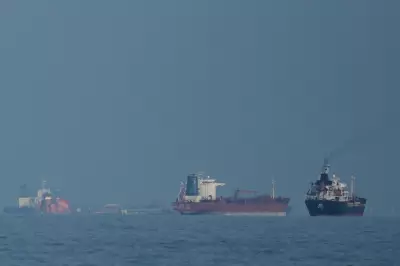
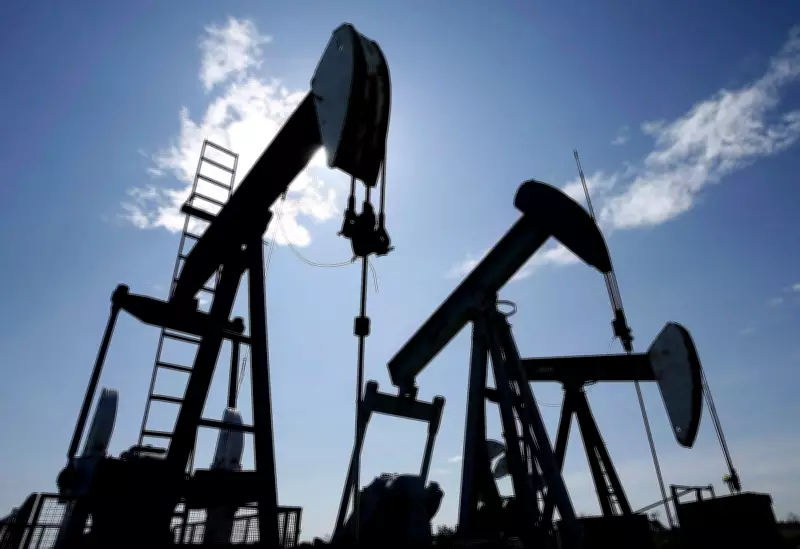
The war in Iran has impeded oil extraction operations in key regions, leading to a notable decline in output. Simultaneously, shipping routes through critical waterways have been obstructed, causing delays and increasing transportation expenses. These combined factors have created a supply crunch, pushing prices upward as demand remains steady.
Market analysts warn that if the conflict persists, prices could climb even higher, exacerbating inflationary pressures. The situation underscores the fragility of global energy supplies in the face of geopolitical instability.

Broader Economic Implications
Rising oil prices have ripple effects across various sectors, from transportation to manufacturing, potentially slowing economic growth. Consumers are already feeling the pinch at the pump, with gasoline prices climbing in response to the crude oil surge.
This development highlights the interconnectedness of international politics and economic stability, as conflicts in one region can swiftly impact markets globally. Stakeholders are closely monitoring the situation for any signs of resolution or further escalation.