Oil prices experienced a significant surge as market trading commenced on Sunday, driven by escalating tensions in the Middle East following U.S. and Israeli attacks on Iran and subsequent retaliatory strikes against Israel and U.S. military installations around the Gulf. These events have sent shockwaves through the global energy supply chain, prompting traders to anticipate potential slowdowns or halts in oil supply from Iran and other regional producers.
Immediate Market Impact and Price Increases
West Texas Intermediate, the benchmark for light, sweet crude oil produced in the United States, was trading at approximately $72 per barrel on Sunday night. This represents a notable increase of around 8% from its closing price of about $67 on Friday. The sharp rise reflects growing concerns over supply disruptions that could lead to higher prices for both crude oil and gasoline, according to energy analysts.
Critical Chokepoint: The Strait of Hormuz
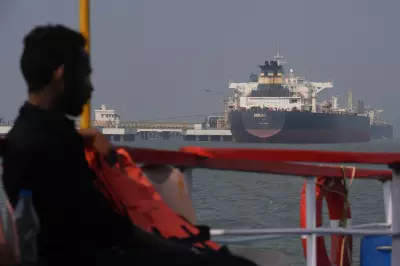
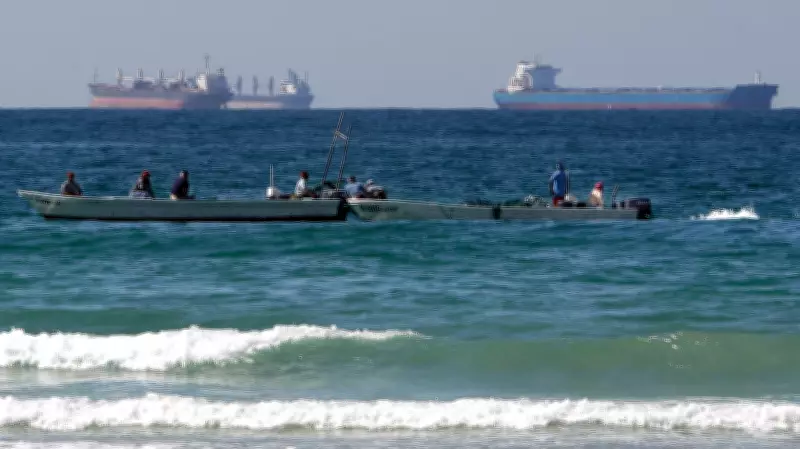
Attacks throughout the region, including incidents involving two vessels navigating the Strait of Hormuz—the narrow passage at the mouth of the Persian Gulf—pose a serious threat to countries' ability to export oil globally. The Strait of Hormuz is bordered to the north by Iran and serves as a vital conduit for oil and gas shipments from major producers such as Saudi Arabia, Kuwait, Iraq, Qatar, Bahrain, the United Arab Emirates, and Iran itself.

Rystad Energy reports that roughly 15 million barrels of crude oil per day, accounting for about 20% of the world's total oil supply, are transported through this strait, making it the most critical oil chokepoint globally. In mid-February, Iran temporarily closed sections of the strait for what it described as a military drill, highlighting the vulnerability of this shipping channel. Further disruptions could severely constrain supply and drive prices even higher.
OPEC+ Response to Supply Concerns
In response to the escalating situation, eight member countries of the OPEC+ oil cartel announced on Sunday that they would increase crude oil production. The Organization of Petroleum Exporting Countries, in a meeting scheduled prior to the outbreak of hostilities, revealed plans to boost output by 206,000 barrels per day in April, exceeding analysts' expectations. The countries involved in this production increase include Saudi Arabia, Russia, Iraq, the United Arab Emirates, Kuwait, Kazakhstan, Algeria, and Oman.
Expert Analysis on Market Dynamics
Jorge León, Rystad's senior vice president and head of geopolitical analysis, emphasized the importance of export routes over production capacity in an email statement. He noted, "Roughly one-fifth of global oil supply passes through the Strait of Hormuz, a vital artery for world trade, meaning markets are more concerned with whether barrels can move than with spare capacity on paper. If flows through the Gulf are constrained, additional production will provide limited immediate relief, making access to export routes far more important than headline output targets."
Iran exports approximately 1.6 million barrels of oil daily, with China being its primary customer. Should Iran's exports face disruptions, China may need to seek alternative sources, potentially adding further upward pressure on global energy prices. This scenario underscores the interconnected nature of geopolitical events and their profound impact on the energy market, as traders continue to monitor developments closely amid ongoing regional instability.