Oil Prices Skyrocket as Middle East Conflict Intensifies Supply Concerns
Global oil markets experienced a significant surge on Monday, with Brent crude prices briefly peaking at US$119.50 per barrel before settling slightly lower. This sharp increase is directly linked to the escalating conflict in Iran, which has severely disrupted critical oil shipping routes and raised alarms about a sustained global supply crunch.
Historic Price Levels and G7 Response
The last time Brent crude exceeded US$100 per barrel was four years ago during Russia's invasion of Ukraine. Prices only moderated after the Group of Seven nations indicated they were holding off on deploying strategic reserves to combat the soaring costs.
French Finance Minister Roland Lescure stated after chairing a G7 meeting, "We're not there yet," but emphasized the group's readiness to take "necessary and coordinated steps in order to stabilize markets, such as strategic stockpiling."

Meanwhile, U.S. President Donald Trump addressed the situation on his Truth Social platform, calling rising oil prices "a small price to pay" for global safety and peace, suggesting the increase would be temporary once the Iran nuclear threat was eliminated.
Critical Shipping Route Disruption
The conflict's most immediate impact has been on the Strait of Hormuz, where approximately 20% of the world's oil supply typically passes through daily. With the war now in its second week, international shipping has nearly halted at this narrow waterway bordering Iran due to threats of missile and drone attacks.
According to independent research firm Rystad Energy, roughly 15 million barrels of crude oil are shipped daily through this crucial passage. Major oil producers in the region, including Iraq, Kuwait, and the UAE, have already cut production citing export constraints.
Production Halts and Escalating Concerns
The transportation issues have been compounded by production disruptions across the Middle East. Saudi Arabia temporarily closed one of its largest oil facilities following an Iranian drone attack that caused a fire, while QatarEnergy halted liquefied natural gas production.
Jim Burkhard, vice president and global head of crude oil research at S&P Global Energy, explained that while initial transportation issues might be resolved quickly, production and storage concerns are accumulating. He noted that restoration "will be a massive technical exercise that could last weeks or more."
Warnings of Prolonged Crisis
Qatar's Energy Minister Saad al-Kaabi warned the Financial Times that if the Iran conflict continues for several weeks, Gulf energy exporters may be forced to halt shipments entirely, potentially triggering a major global energy crisis. He predicted oil could reach $150 per barrel under such circumstances, noting that prolonged conflict would impact GDP growth worldwide.
Immediate Impact on Consumers
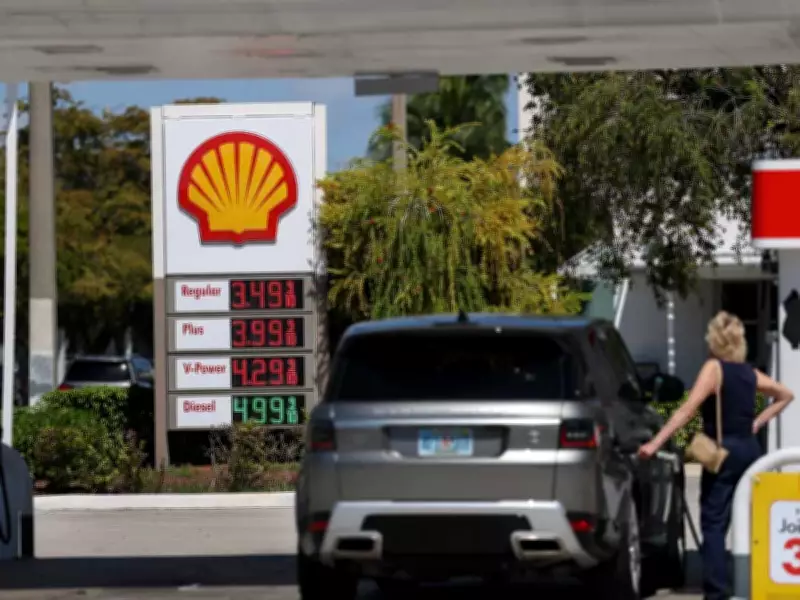
Canadians are already feeling the effects at the pumps, with gasoline prices surging at one of the fastest rates in years. Patrick De Haan, head of petroleum analysis at GasBuddy.com, reported that fuel markets are "rapidly recalibrating" to the risk of prolonged disruption.
De Haan predicted gas prices across Canada could climb another 20 to 50 cents per gallon this week, with the average price already reaching $1.54 per litre on Monday. This price surge renews inflation fears as consumers face higher transportation and energy costs.
The situation remains fluid as global markets respond to ongoing developments in the Middle East, with energy analysts closely monitoring both military actions and diplomatic efforts to stabilize the volatile situation.