Global oil markets experienced a significant shock as prices surged by 6%, reaching their highest levels since 2024. This sharp increase is directly attributed to the widening conflict in the Middle East, which has intensified geopolitical risks and disrupted supply expectations. The escalation has sent ripples through financial markets, with investors scrambling to adjust to the new reality of heightened volatility in the energy sector.
Geopolitical Tensions Fuel Market Volatility
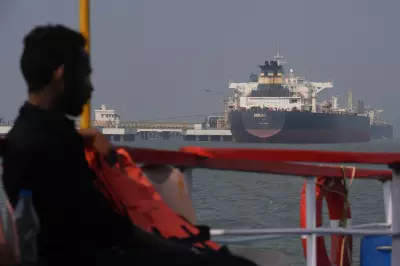
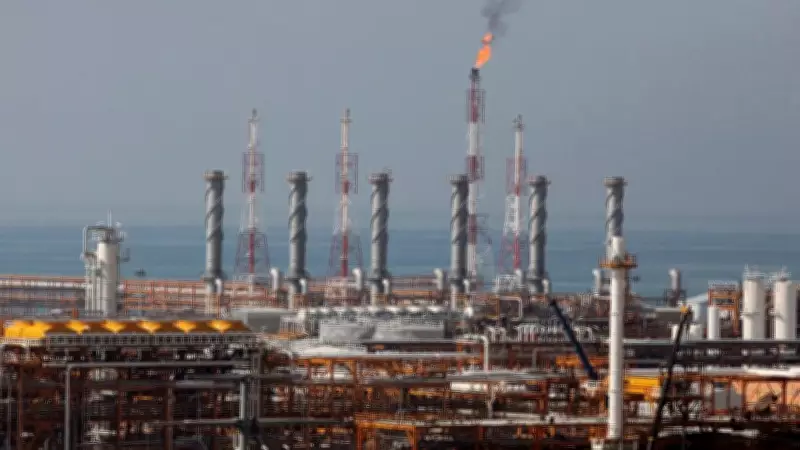
The conflict, which has expanded in scope, involves key oil-producing nations in the region. Recent developments, including military actions and political instability, have raised fears of potential supply disruptions. Analysts point to the strategic importance of the Persian Gulf, where a significant portion of the world's oil transits, as a critical factor amplifying market concerns. The uncertainty surrounding future escalations continues to weigh heavily on trader sentiment.
Immediate Impact on Global Economies
The price hike is expected to have immediate repercussions for consumers and businesses worldwide. Higher fuel costs could translate into increased expenses for transportation, manufacturing, and heating, potentially fueling inflationary pressures. Economists warn that sustained high oil prices might slow economic growth, particularly in energy-importing countries already grappling with financial challenges.

Market reactions have been swift, with stock indices experiencing declines as investors shift focus to safe-haven assets. The S&P/TSX composite, for instance, was reported down more than 800 points in tandem with the oil price climb. This correlation underscores the interconnectedness of energy markets and broader financial stability.
Historical Context and Future Projections
This surge marks a notable peak not seen since 2024, drawing comparisons to previous oil crises driven by regional conflicts. Experts emphasize that the duration and intensity of the current price spike will largely depend on the trajectory of the Middle East situation. If tensions de-escalate, prices may stabilize; however, further conflict could push them even higher, testing global economic resilience.
Regional and Global Responses
In response to the rising prices, governments and international organizations are monitoring the situation closely. Some nations may consider tapping into strategic petroleum reserves to mitigate short-term supply shocks. Meanwhile, energy companies are reassessing their operations in the region, with potential implications for long-term investment and production plans.
The conflict also highlights the ongoing vulnerability of global energy systems to geopolitical events. As the world transitions toward renewable sources, incidents like these reinforce the need for diversified energy strategies to enhance security and reduce dependency on volatile regions.
In summary, the 6% oil price surge to post-2024 highs serves as a stark reminder of how geopolitical instability in the Middle East can swiftly alter global economic landscapes. Stakeholders across sectors are advised to prepare for continued volatility as the situation evolves.